
Quick Answer
shade cloth for tomatoes: the short version
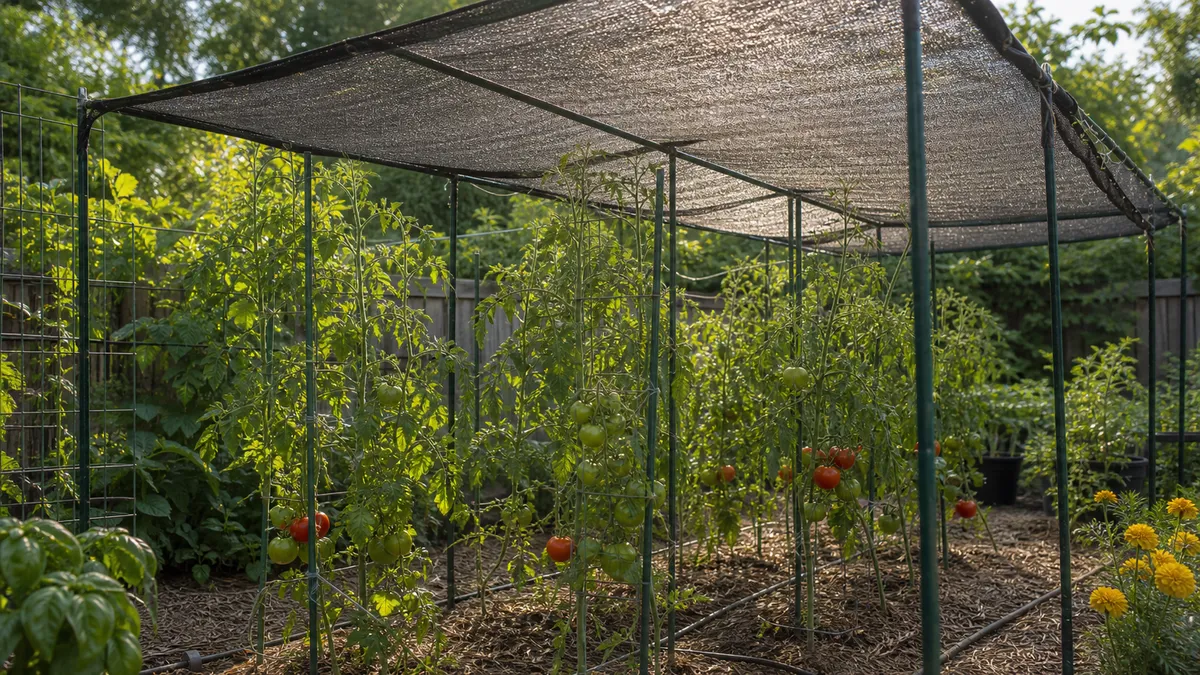
Use shade cloth for tomatoes as light heat relief, not deep shade. Start around 30 percent during severe heat or sunscald risk, keep airflow open, and remove the cloth when flowering, fruit set, ripening or the heat event begins to slow.
Use light tomato shade during severe heat; remove it when fruit set, ripening or plant color shows too little light.
Buying Direction
What to buy or use for tomato shade
Use this table for the buying direction. The detail below explains limits, costs and edge cases.
| Situation | Buy / use this | Why |
|---|---|---|
| Blossoms drop during a heat wave | Try 30 percent shade during the hottest afternoon hours. | The crop still needs strong light for fruiting. |
| Fruit shoulders are scalding in direct sun | Use overhead cloth with airflow above the canopy. | The goal is reducing fruit surface heat, not full darkness. |
| Plants are wilting before noon in dry soil | Correct irrigation and mulch before adding shade. | Shade cannot fix an empty root zone. |
| Tomatoes grow in a greenhouse tunnel | Pair roof cloth with vents and sidewall airflow. | Enclosed heat requires ventilation. |
| Mixed bed includes lettuce under the same frame | Shade lettuce separately rather than darkening the tomato row. | The crops do not share the same light tolerance. |
Use lighter shade first
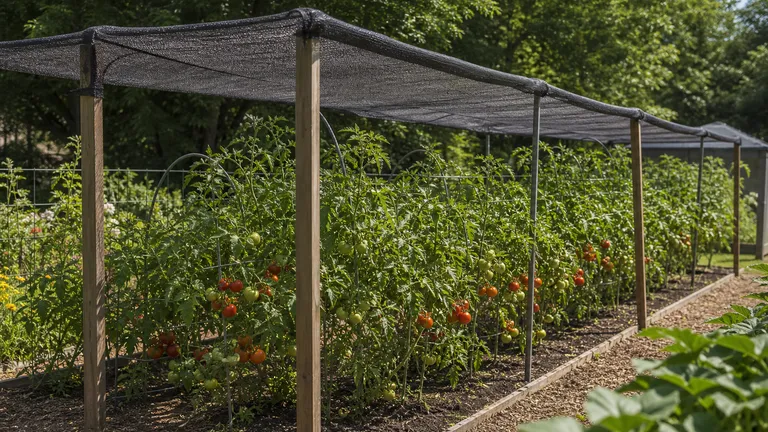
For tomatoes, 30 percent shade is a safer starting point than 50 percent when fruiting is still the goal. The plant needs relief from extreme heat, but it also needs light to support flowers, fruit and dense growth. Darker cloth can be useful in a severe heat event, yet it should be treated as temporary until the plant response is clear.
Watch the reason for shading. Sunscald on fruit, blossom drop during heat and midday leaf stress are different signals. If the plant perks up after evening watering, shade may be secondary to water management.
Tomato shade is often most useful during the flower and fruit-protection window, not through the entire season. The plant may need strong light again once the heat wave breaks. Build the frame so cloth can be rolled back or removed without disturbing cages.
Tomato cages and stakes should carry the plant, not the shade cloth. Attach shade to a separate frame where possible. When cloth pulls on cages, the plant support can lean and damage roots or stems during windy weather.
In very dry climates, afternoon shade may reduce water stress enough to prevent blossom drop. In humid climates, the same cloth may increase leaf wetness. Adjust the installation to local disease pressure, not only temperature.
When tomato blossoms drop during a heat wave, try 30 percent shade during the hottest afternoon hours. The crop still needs strong light for fruiting, so stronger shade should be tested carefully.
If lettuce sits under the same frame as tomatoes, shade the lettuce separately. The crops do not share the same light tolerance, and the tomato row should not be darkened just to save greens.
Buying checks
Buying checks before you order
Use these checks before choosing a darker cloth, bigger awning or heavier kit.
| Check | Why it matters | Practical test |
|---|---|---|
| Start with light shade before testing darker cloth. | The crop still needs strong light for fruiting. | Blossoms drop during a heat wave |
| Keep fabric above the tomato canopy for airflow. | The goal is reducing fruit surface heat, not full darkness. | Fruit shoulders are scalding in direct sun |
| Remove temporary cloth after the severe heat period. | Shade cannot fix an empty root zone. | Plants are wilting before noon in dry soil |
| Check soil moisture before diagnosing heat stress. | Enclosed heat requires ventilation. | Tomatoes grow in a greenhouse tunnel |
Buyer guide
Tomato shade setup categories to compare
Compare light shade and support categories after confirming heat, water and airflow are the real issue.
30 percent
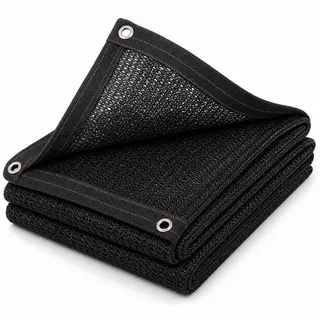
30 Percent Shade Cloth Garden
For tomato heat relief without putting fruiting plants in deep shade.
- Tomato starting point
- Supports fruiting light
- Use during heat spikes
Check:Blossom drop, sunscald and whether soil moisture is already right.
Compare categories
40 percent
40 Percent Shade Cloth Tomatoes
For stronger short-window shade when heat is severe.
- Stronger heat relief
- Short-term use
- Watch fruit set
Check:Flowering, ripening speed and low-light symptoms.
Compare categories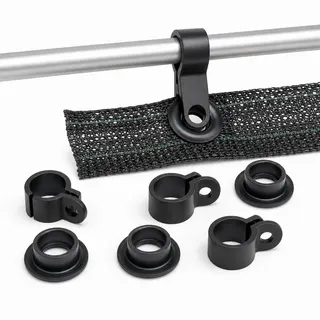
Hardware
Shade Cloth Clips Garden
For keeping tomato shade tight above the canopy.
- Secure loose edges
- Reusable on frames
- Avoid fabric rubbing
Check:Frame diameter, wind exposure and removal routine.
Compare categoriesPlacement over tomato rows
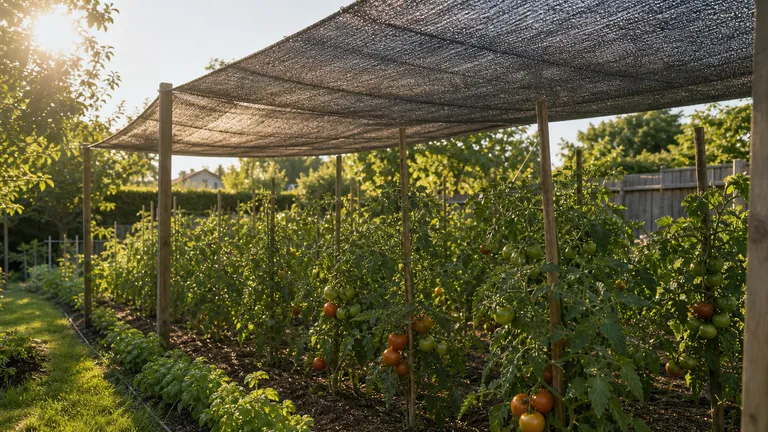
Keep the cloth several inches above the canopy so air can move across leaves and fruit. Hoops, conduit or greenhouse wire can hold cloth off the plants. Draping fabric directly on tomato foliage can trap heat, rub leaves and make maintenance harder.
Shade the afternoon side first when the main problem is low western heat. For overhead sunscald, a roof-like panel across the row can work better. In a tunnel, shade placement must leave pruning, harvest and ventilation access open.
Afternoon shade can be better than all-day shade for tomatoes. Morning light supports growth, while the harshest heat often arrives later. A west-side or overhead-afternoon panel may protect fruit without reducing the productive part of the day as much.
Fruit exposure changes as pruning changes. A heavily pruned plant may need more sunscald protection than a dense plant with natural leaf cover. Shade recommendations should be revisited after major pruning, not set once in spring.
For determinate tomatoes, shade timing is compressed because the crop sets and ripens in a shorter window. Protect the heat-sensitive fruiting period, then remove cloth when it no longer earns its place.
When fruit shoulders scald in direct sun, use overhead cloth with airflow above the canopy. The goal is reducing fruit surface heat, not putting the whole tomato row into deep shade.
On an exposed tomato row, a light, well-clipped afternoon cover is safer than loose heavy fabric. Blossom protection helps only if airflow remains and the cloth does not whip the plants.
Cost and cloth type for tomato beds
A small tomato row may use a $20 to $80 panel, while a longer bed or tunnel section may need a finished panel in the low hundreds. Knitted polyethylene is usually easier for garden frames because it handles cutting and clips better than fragile woven material. UV-stabilized fabric is worth the upgrade when the cloth stays up for weeks.
The hardware budget is small but important. Clips, hoops, conduit and storage bags keep the cloth from becoming a tangled disposable sheet. A neat installation is easier to remove when temperatures drop.
Container tomatoes need extra caution because roots heat quickly. Shade on leaves helps, but a black pot sitting on hot paving can still cook the root zone. Move containers, shade the pot or insulate the surface if the root ball is the real heat source.
In humid climates, shade can slow drying after rain or irrigation. Keep the cloth high and the sides open so disease pressure does not rise while heat stress falls. Comfort for the plant includes both temperature and leaf dryness.
If tomato plants wilt before noon in dry soil, fix irrigation and mulch before adding shade. A shade cloth cannot compensate for an empty root zone.
When not to shade tomatoes
Do not shade tomatoes because leaves are wilting if the soil is dry two inches down. Fix irrigation, mulch and root-zone temperature first. Do not leave dark cloth on through mild cloudy weather, because the plant may lose more light than heat stress justifies.
Choose pruning, spacing, watering changes or seasonal variety selection when those address the cause more directly. Shade cloth is a heat-wave tool, not a permanent replacement for tomato culture.
Do not confuse disease stress with heat stress. Yellowing, spotting or wilting that continues in mild weather should be diagnosed separately. Shade cloth can make a sick plant look slightly less stressed while the underlying issue spreads.
For indeterminate tomatoes, the shade frame should allow continued tying and pruning. A cloth that blocks access will be moved aside repeatedly, which can tear clips and disturb vines. Leave a working aisle under or beside the shade.
In a small tomato tunnel, roof cloth should be paired with vents and sidewall airflow. Enclosed heat needs a way out before the shade percentage gets stronger.
Watch-outs
Before you buy or install
- Deep shade can reduce flowering and fruiting on tomatoes.
- Fabric touching leaves can hold heat and moisture against the plant.
- Shade should not hide irrigation problems.
Read Next
Related guides if your situation is different
Shade Cloth Guide
Use this when shade cloth is closer to the real constraint than the current page.
Shade Cloth for Vegetable Garden
Use this when shade cloth for vegetable garden is closer to the real constraint than the current page.
Shade Cloth Percentage Guide
Use this when shade cloth percentage guide is closer to the real constraint than the current page.
Questions
FAQ
What percentage shade cloth is best for tomatoes?
Start around 30 percent for tomatoes during severe heat or sunscald risk. Tomatoes still need strong light for flowering and ripening. Darker cloth should be short-term and guided by plant response.
Can too much shade hurt tomatoes?
Yes. Too much shade can reduce flowering, slow ripening and weaken growth. If plants stretch, stay pale or set fewer flowers after cloth goes up, use lighter shade or remove it sooner.
Should tomato shade cover the whole row?
Not always. If sunscald hits one side, afternoon side shade or partial overhead shade may be better than covering the full row. Keep the cloth high so air can move around cages and leaves.
When should tomato shade cloth come off?
Remove it when the heat wave breaks, fruit set slows, ripening stalls or plants show low-light symptoms. Shade cloth should protect the crop during stress, not become a permanent roof over tomatoes.