
Quick Answer
patio shade finder: the short version
Use the patio shade finder to choose the next guide, not the final product. Pick the worst hour, drilling permission and wind exposure. Then read the matching guide before buying fabric, brackets, posts, ballast or shade cloth.
Use the patio shade finder to choose the next guide, then verify the wall, ballast, side glare, crop need or rack load before buying.
Interactive Tool
Patio shade finder
Use this as a planning tool before checking manufacturer instructions.
Result Guide
How to read your result
Use the result as a planning clue, then check the physical limit before buying.
| Result / situation | What it means | Check before ordering |
|---|---|---|
| Low afternoon sun hits faces from the west | Start with side shade, not more roof coverage. | The light enters below overhead products. |
| No drilling is allowed on the patio | Route to weighted, clamped or freestanding shade. | The permission rule comes before product preference. |
| Sail and awning both look possible | Compare wall-mounted retraction against fixed posts. | The wall, posts and brackets decide the answer. |
What the finder can decide
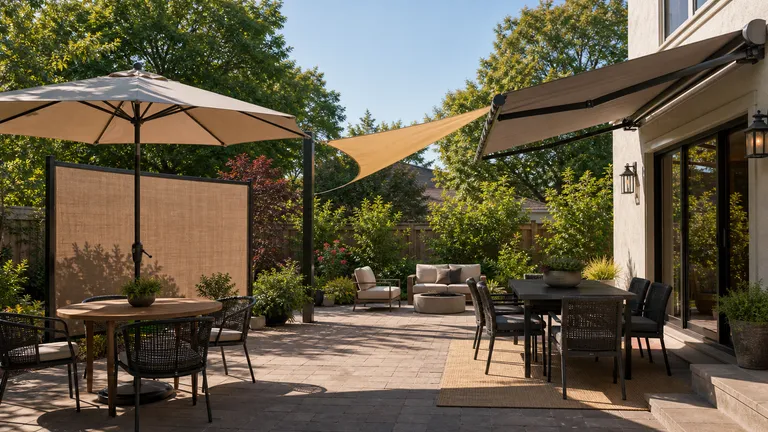
The finder can route low sun, overhead heat, rental limits and garden heat to different next steps. It cannot inspect your wall, measure wind or approve lease changes. Treat its output as a guide link, not a shopping cart.
Choose the answer that matches the worst hour. If the patio is comfortable at noon but unusable after work, choose low afternoon sun. If the main problem is a lease rule, choose no drilling even if a sail looks better. Use a quick photo from the bad hour.
The finder works best after one outside observation. Use it after you have stood on the patio at the bad hour and confirmed where the light enters. Without that step, most people over-select overhead shade because it is easier to picture.
For example: Low afternoon sun hits faces from the west. Start with side shade, not more roof coverage. The light enters below overhead products. Treat the result as a planning number until the real anchors, clearances and site limits are measured.
Result categories
Patio shade categories to compare after the finder
Compare these categories only after the finder result has been checked against wind, lease rules, wall strength and base footprint.
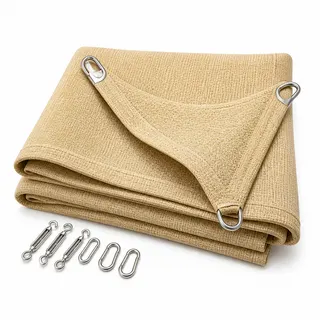
Fixed shade
Patio Shade Sail
For patios with strong anchor points and a stable shade zone.
- Fixed overhead shade
- Needs real anchors
- Best for stable layouts
Check:Post strength, slope, wind exposure and removal plan.
Compare categories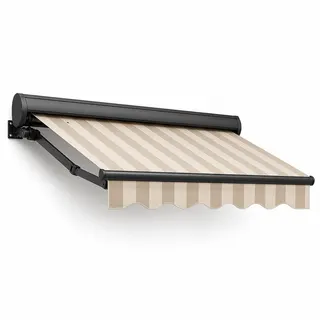
Retractable
Retractable Patio Awning
For wall-mounted shade that can close when weather changes.
- Wall-mounted coverage
- Retracts after use
- Needs suitable wall
Check:Wall structure, projection, mounting height and wind routine.
Compare categories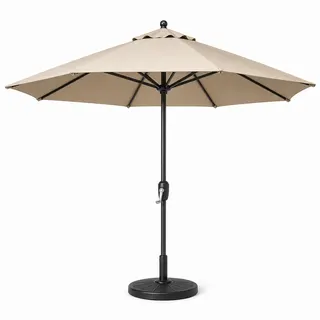
Portable
Outdoor Patio Umbrella
For movable seating shade when anchors or wall mounting do not fit.
- Movable shade
- Base footprint matters
- Works for small zones
Check:Base size, tilt range, walking space and storage.
Compare categoriesWarnings around the selector
A selector cannot make a weak railing safe for a sail or a light umbrella safe in exposed wind. It also cannot judge whether masonry is solid, cladding hides framing or a canopy base is heavy enough. The result is only as safe as the site check that follows it.
After the finder gives a guide, read it and verify the hard limit: substrate, ballast, side glare, crop percentage or rack load. Skip this step and the tool becomes false precision.
If the finder result conflicts with the lease, structure or weather plan, follow the physical limit first. Tools should narrow decisions, not overrule the site.
In practice: No drilling is allowed on the patio. Route to weighted, clamped or freestanding shade. The permission rule comes before product preference. Treat the result as a planning number until the real anchors, clearances and site limits are measured.
Manual fallback when results overlap
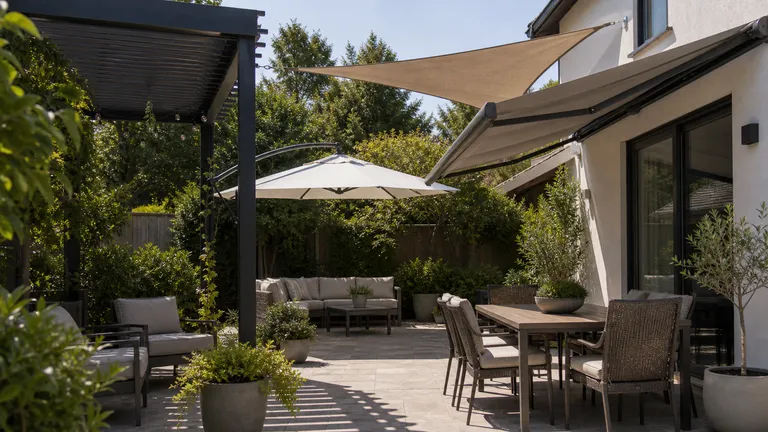
When two answers fit, choose the one tied to safety, permission or structure first. A renter with low west sun should solve the lease rule first. A weak wall should be checked before deciding between a sail and an awning.
If none of the answers feels right, return to the outdoor shade hub and choose by product family. The finder is intentionally narrow so it does not hide edge cases.
When a sail and awning both look possible, compare wall-mounted retraction against fixed posts. The wall, post locations and brackets decide the answer more than the first tool result.
Watch-outs
Before you buy or install
- Tool output is not structural approval.
- Wind exposure should downgrade many removable shade choices.
- A no-drill rule should be treated as final unless written permission changes it.
Measurement Guide
Check the site before trusting the number
Measure the real area, clearances, mounting points and weather exposure before ordering a product.
Next Guides
Read next
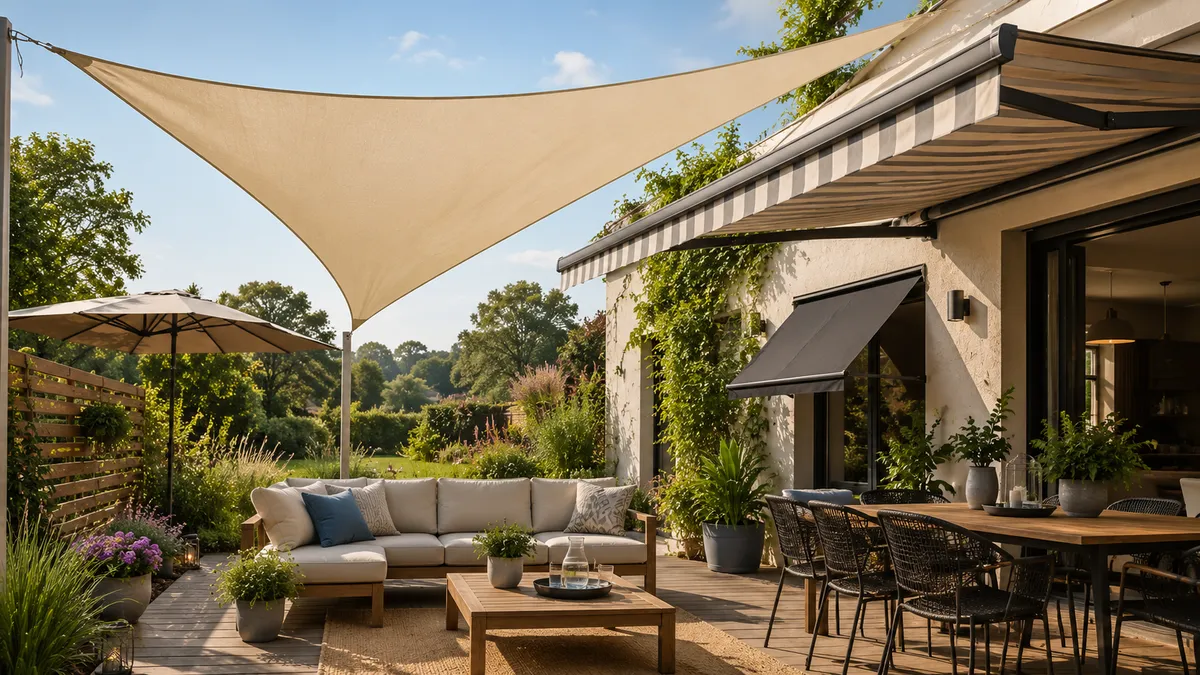
Patio Shade Ideas
Use this when patio shade ideas is closer to the real constraint than the current page.
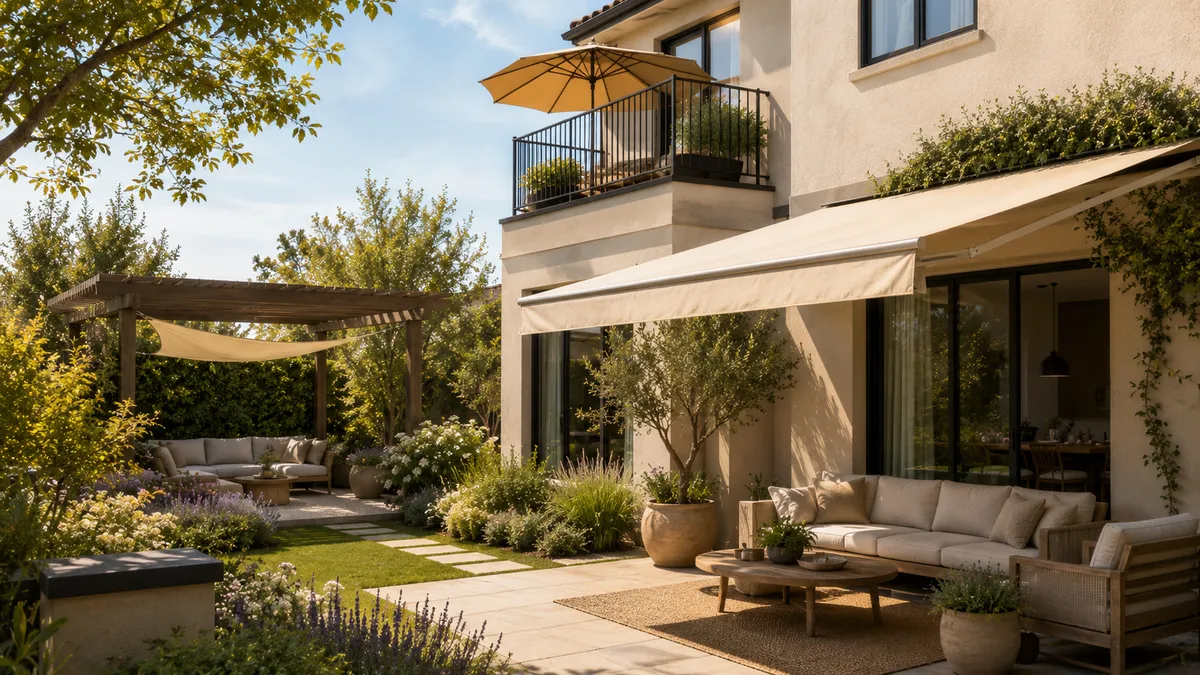
Outdoor Shade Ideas
Use this when outdoor shade ideas is closer to the real constraint than the current page.
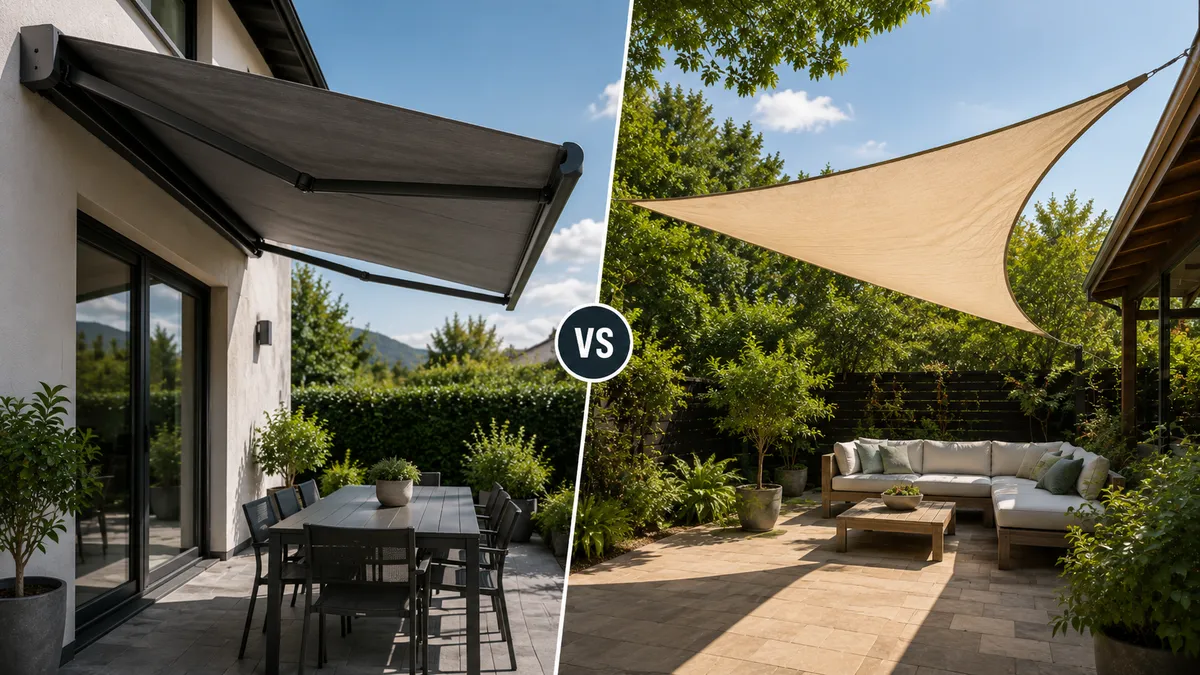
Shade Sail vs Awning
Use this when shade sail vs awning is closer to the real constraint than the current page.
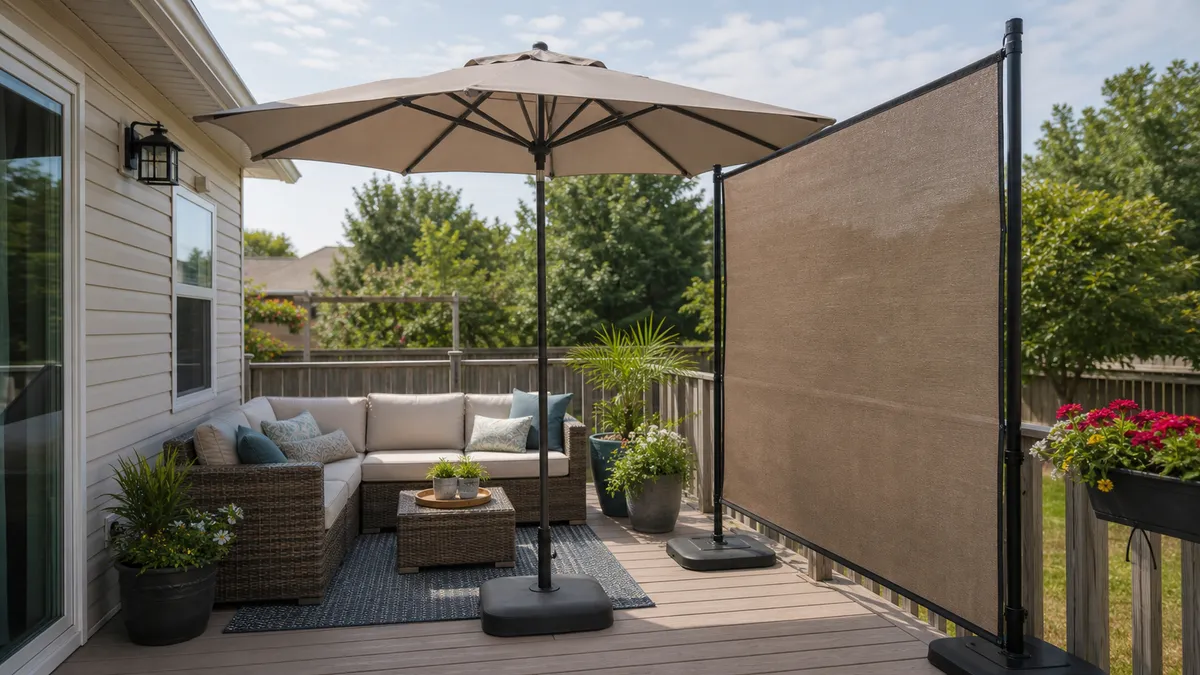
Patio Shade Without Drilling
Use this when patio shade without drilling is closer to the real constraint than the current page.