
Quick Answer
Short answer: cheap kit or fast shade
Choose a camping tarp for the lowest flexible camp shade when stakes, tarp poles, guylines, site rules and weather are friendly. Choose an awning for faster repeat shade after the roof rack, brackets or freestanding frame are already sorted. Pack either one down for rising wind, heavy rain, poor anchors, unsafe campfire spacing or unknown rack or bracket support.
Use the tarp when low cost and independent camp shade matter; use the awning when fast vehicle-side shade is worth the rack, bracket and pack-down checks.
Tarp vs awning at a campsite
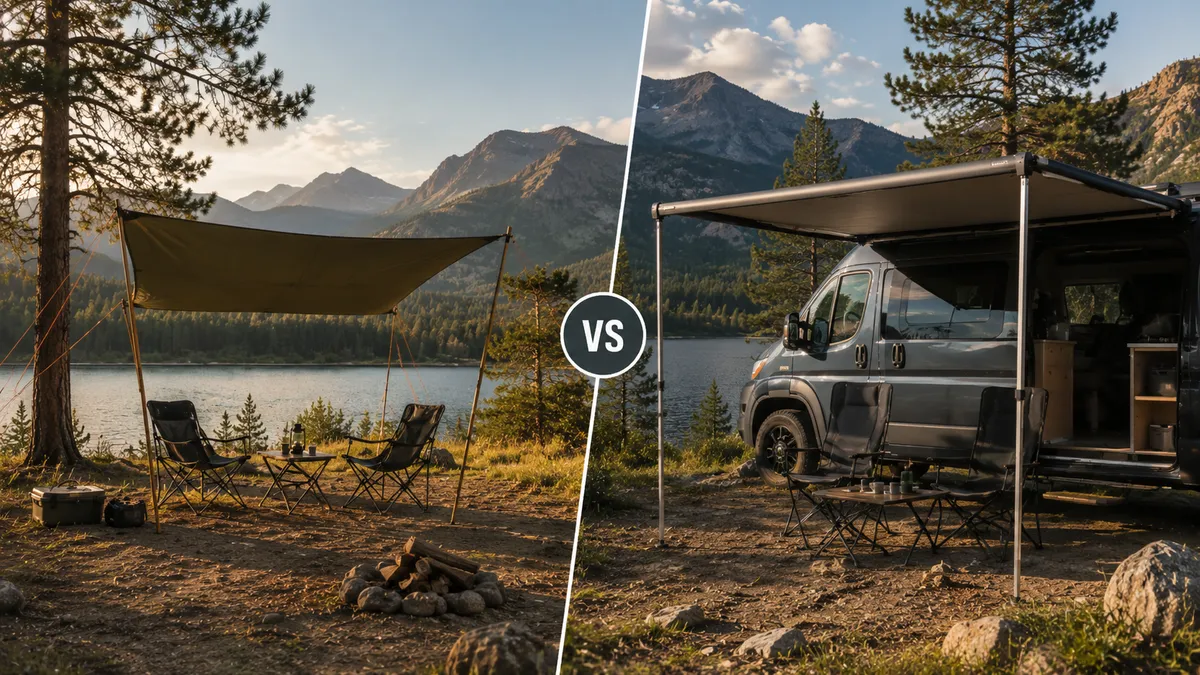
The camping tarp vs awning question is not fabric versus fabric. A tarp is a loose camp shelter that works only when the ground, poles, stakes, guylines and tie-off rules cooperate. An awning is faster at camp only after the case, brackets, roof rack, legs or frame have already been checked.
REI tarp guidance shows why the tarp side is flexible but slower: corners get staked, poles are placed, guy lines are tensioned, and the pitch may need adjustment as wind shifts. ARB awning instructions show the awning side still has real camp work: unzip, release arms, unroll, set awning legs, secure fabric, peg the legs and add guy rope in wind.
Before buying, check complete cost, setup actions, site fit and weather routine. Cheap tarp fabric can become expensive when poles, stakes and anchors are missing. A fast awning can become a bad fit when the rack rating, bracket spacing or campsite surface is wrong.
Compare first
Camping tarp vs awning at camp
Read each row as a trip-planning check, not a ranking.
| Decision point | Camping tarp | Awning | Choose this way |
|---|---|---|---|
| Complete cost | Count tarp fabric, tarp poles, stakes, guylines, tensioners, sand anchors, snow stakes, storage bags and spares. | Count the awning case or frame, brackets, roof rack or platform, legs, pegs, wall kits, locks and repair parts. | Use the tarp only when the missing hardware list stays short; use the awning only after the rack, brackets and bolts are counted. |
| Camp setup time | More loose parts: spread fabric, place poles, stake corners, tension lines, adjust pitch angle and retension. | Faster after install: open case or frame, set awning legs, peg or guy where needed and close before travel. | Choose tarp for long setups; choose awning for repeated short stops beside the vehicle. |
| Site and surface fit | Needs stakeable ground, legal tie-offs or enough room for independent poles and lines. | Needs vehicle position, rack or frame support, door clearance and room for legs or pegs. | Choose the shelter with fewer parts that can fail at that campsite. |
| Wind routine | Can pitch low and angled into a known wind, but anchors carry the load. | Must be secured with legs and guy rope where required, then closed as wind rises. | Stop when stakes pull, sand anchors creep, fabric lifts, arms flex or brackets move. |
| Rain routine | Needs a high-low pitch and a clear runoff edge before rain starts. | Needs slope and closure discipline; Dometic warns against water guttering and pooling over stitching. | Use neither as storm cover; pack down when water pooling or prolonged rain appears. |
| Vehicle leaves camp | Can stay only with independent anchors and calm weather that site rules allow. | A vehicle-mounted awning leaves with the vehicle. | Use a tarp or driveaway shelter if shade must remain while the vehicle goes out. |
| Best trip type | Budget basecamp, shaded table away from the car, or a campsite with reliable anchors. | Road-trip lunches, quick overnight stops and shade beside a door, kitchen box or tailgate. | Match the shade to where people sit, cook or unload, not to the cheapest listing photo. |
| Failure signal | Lines cross walkways, anchors will not hold, fabric sags flat or tie-offs break campsite rules. | Rack rating is unknown, brackets rattle, doors hit the case or legs cannot be secured. | Use a smaller shelter, campground structure or no fabric until the weak point is fixed. |
Full setup cost, not fabric price
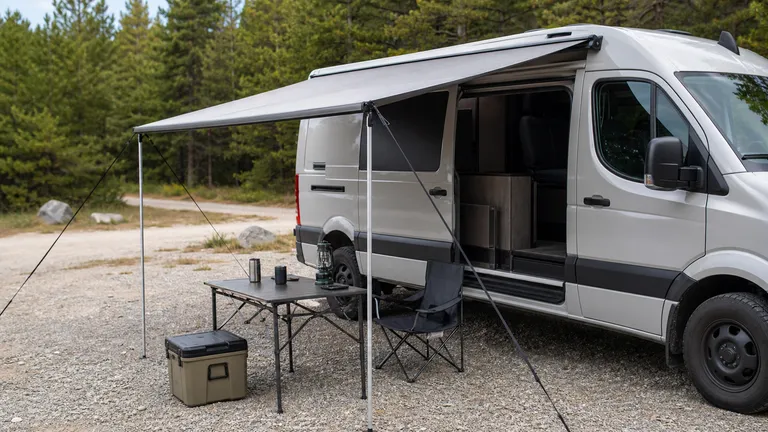
A tarp often starts cheaper because the fabric can be simple and compact. That comparison is misleading when the tarp is sold without poles, stakes, guylines, tensioners or ground anchors. REI's tarp shelter category marks tarp shelters as nonfreestanding, and REI setup guidance tells campers to check whether poles and stakes are included before they count the shelter as ready.
The awning side hides cost in different places. A roof-rack awning may need rated crossbars, a platform, compatible brackets, hardware, locks, wall kits, leg kits or replacement fabric. Yakima's awning category shows roof-mounted awnings and wall kits as separate pieces in the broader awning family, and Yakima weight guidance says the carried load has to include rack parts and attached accessories.
Do not treat dated listings as permanent price facts. Count what must be bought, packed, installed, inspected, dried, replaced or repaired before the shade works twice in a row.
All-in cost
Cost pieces to count before buying
Cheap tarp fabric and a fast awning case both need poles, legs, anchors or brackets.
| Cost item | Camping tarp side | Awning side | Why it matters |
|---|---|---|---|
| Main shade fabric | Tarp fabric, coated shelter fabric or camp tarp panel. | Awning case, roller fabric, freestanding fabric or framed canopy. | The visible fabric is only one line in the trip cost. |
| Poles and legs | Tarp poles, pole feet or improvised pole supports if no trees or vehicle tie-offs are allowed. | Awning legs, support arms, rafters or freestanding frame parts. | Shade fails when poles, legs or frame parts are missing or unstable. |
| Stakes and guylines | Ground stakes, guylines, tensioners, spare cord and reflective line markers. | Pegs, guy rope, straps or tie-downs required by the awning manual or weather. | Small parts decide whether fabric stays pitched in ordinary wind. |
| Sand or snow anchors | Sand anchors, snow stakes, deadman anchors or wider stakes for soft ground. | Extra anchors or weights for awning legs where pegs will not hold. | Normal pegs can pull out of loose sand, snow or disturbed soil. |
| Vehicle hardware | Usually none unless one edge ties to a vehicle, rack or door area. | Roof rack, platform, side rail, brackets, bolts, backing plates or fit hardware. | Mounted awnings become road cargo before they become camp shade. |
| Add-on coverage | Extra panels, longer tarp poles or a second tarp for low sun or rain splash. | Wall kits, leg kits, privacy rooms or shade screens. | Low sun, side rain and wind often need more than overhead fabric. |
| Storage and drying | Storage bag, separate stake bag, repair tape and room to dry fabric after rain. | Wet-case care, fabric cleaning, hinge checks and room to reopen the awning to dry. | Wet fabric packed tight for days can stain, smell or damage small hardware. |
| Replacement parts | Bent stakes, snapped guylines, torn grommets and worn storage bags. | Pins, straps, guy rope, fabric tears, arm parts, brackets and cover repairs. | The first repair often lands on small hardware, not the main fabric. |
Prices are not fixed here because existing camp gear, rack fit and local availability change the total quickly.
Setup time and solo camp routine
Do not compare setup by guessed minutes. Compare the number of actions. A tarp usually asks you to pick the shade spot, read the wind, spread fabric, place poles, stake corners, run guylines, tension the ridge and retension after the fabric stretches. A protective pitch can need more stakes and lines than a quick sun fly.
An awning moves some of that work to the first install. Once the case, brackets, rack or frame are correct, camp setup can be faster: open the case, release arms, unroll, set legs, secure rafters, peg where needed and add guy rope in wind. That is why awnings feel good on short stops.
Solo setup gets harder when the weather is already moving the fabric. A tarp can become a two-hand problem because poles fall, corners flap and guylines pull at different angles. An awning can also get away from one person if a gust hits before the legs and guys are set. Pack down early rather than trying to save a wide panel in rising wind.
Setup delays
What slows setup down
These are the common reasons a simple camp shade plan takes longer than expected.
| Delay | Tarp effect | Awning effect | Practical move |
|---|---|---|---|
| Soft sand | Normal stakes pull or creep under line tension. | Legs and pegs can wander unless anchored wider. | Carry sand anchors or choose a smaller low pitch. |
| Gravel or hardstanding | Stakes may not drive or hold at the required angle. | Awning legs may need weights or a different parking position. | Do not force stakes where they cannot hold safely. |
| Missing small parts | One lost stake or guyline can weaken the whole pitch. | One missing peg or strap can leave a leg unsecured. | Keep spare cord, pegs and a separate hardware bag. |
| Wind shift | The pitch angle may need changing and lines may need retensioning. | The awning may need closing instead of more rope. | Pack down when the fabric starts lifting from several directions. |
| Blocked hatch or door | A tarp line can cross the door path if the vehicle is used as an anchor. | The case or awning arms can block a hatch or sliding door. | Open every door before final tension or bracket work. |
| Campsite boundary | Long guylines may leave the assigned pitch. | Legs and guy rope can still create trip hazards. | Keep lines inside the campsite boundary or use no fabric. |
Category research
Camping shade categories to compare
Compare these categories after setup speed, packed size and wind routine are clear.
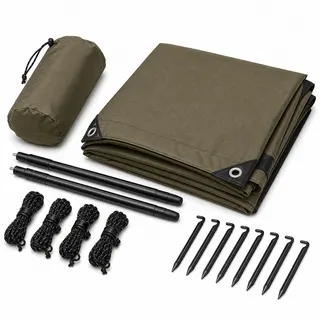
Tarp setup
Camping Tarp Poles
For flexible low-cost shade when setup time is acceptable.
- Lightweight gear
- Flexible pitch
Check:Pole height, line angles and stakes.
Search on Amazon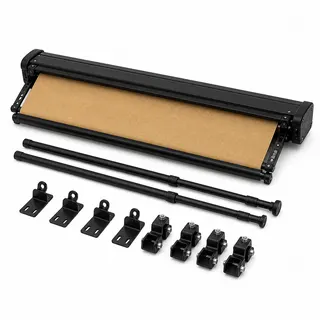
Vehicle awning
Vehicle Awning
For faster roadside or camp shade attached to the vehicle.
- Fast deploy
- Mounting required
Check:Rack fit, weight and side clearance.
Search on AmazonTie-downs
Tarp Guy Line Kit
For stabilizing tarp corners in normal camp conditions.
- Setup hardware
- Wind routine support
Check:Stake type, line tension and soil.
Search on AmazonBest by trip type
Match the shelter to the trip before comparing brands. A weekend car camp with two chairs may need a cheap tarp and a patient setup. A road-trip lunch stop needs fast shade that opens near the door or tailgate. A multi-night basecamp may need shade over the table after the vehicle leaves.
Site rules matter as much as weather. NPS campsite guidance flags wind, lightning, flash flooding, low wet areas, stakes and lines as hazards to consider while setting up camp. Zion and Joshua Tree rules show why tie-offs are not guaranteed: some campgrounds require gear, stakes and guy lines to stay inside defined areas and prohibit lines to vegetation or structures.
Trip fit
Best shade by trip type and site
Each row changes the answer because the weak part changes.
| Trip or site | Best fit | Recommendation | Why |
|---|---|---|---|
| Weekend car-camping pitch | Camping tarp | Use a medium tarp with real poles, visible guylines and spare stakes if the pitch has room. | Low cost matters, and a slower setup is acceptable for one settled camp. |
| Multi-night basecamp | Camping tarp | Set independent poles and anchors over the table or kitchen area, then inspect tension each day. | Shade can sit where people gather instead of staying beside the vehicle. |
| Road-trip lunch or roadside stop | Awning | Use a mounted or freestanding awning only if it can open, peg and close quickly before driving. | The shaded zone is usually beside the door, hatch or cooking drawer. |
| Vehicle leaves camp during the day | Independent tarp or driveaway shelter | Leave fabric standing only when it has its own anchors and the forecast is calm. | A vehicle-mounted awning goes with the vehicle and cannot shade an empty camp. |
| Beach, sand or desert site | Smaller low tarp or no fabric in wind | Use sand anchors and a low pitch, or wait when anchors creep or gusts lift the edge. | Soft ground turns both wide tarps and awning legs into moving parts. |
| Hardstanding or gravel pad | Awning if legs can be controlled | Park so the awning legs sit clear of traffic and use approved weights or anchors. | A tarp that needs normal stakes can be frustrating on hard ground. |
| Regulated campground | Whichever fits inside the assigned site | Choose the smaller setup that keeps stakes, poles and lines inside the campsite boundary. | Rules may block tree ties, structure ties or lines outside the pitch. |
| Rain forecast | Neither for heavy or prolonged rain | Use fabric only with a clear runoff edge, then remove or close it before water pools. | Dometic warns to close awnings for heavy or prolonged rain, and tarps also fail when pitched flat. |
| Cooking or eating near fabric | Move the fabric or use campground shelter | Keep shade, poles and lines away from campfires, stoves, heaters and hot vehicle surfaces. | NPS campfire guidance keeps tents, gear and flammable objects at least 15 ft away and upwind. |
| Solo camper in shifting wind | Small awning or smaller tarp | Use the narrowest fabric you can control alone, and pack down before the panel starts fighting you. | One person has limited time to hold fabric, move poles and tension lines safely. |
Wind and rain setup
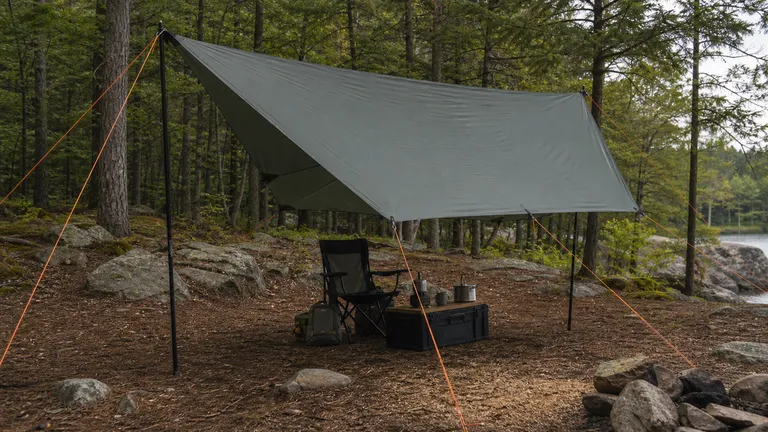
No tarp or awning is a storm shelter. A tarp can be pitched low and angled toward a steady wind, but REI's wind-shed approach still depends on poles, guylines, stake angle and adjustment. More protective tarp shapes can require more stakes, more line tension and more retensioning after fabric stretch.
An awning can feel calmer because the fabric starts in a case or frame, but the manual still matters. ARB instructions call for pegged legs and guy rope in wind. Dometic says to close the awning when wind, heavy or prolonged rain, or unattended camp is expected. Treat that as a stop trigger, not a suggestion to add one more strap.
Rain needs a place to leave. A tarp needs a high side, a low runoff edge and enough pitch angle that water does not sit in the middle. Dometic warns that over-extension can create a gutter that traps water over stitching and stretches fabric. If water pools, seams sag or the fabric starts holding weight, close or remove it.
Weather
Wind and rain setup checks
Use these as pack-down triggers, not confidence boosters.
| Weather issue | Tarp setup | Awning setup | Stop trigger |
|---|---|---|---|
| Wind from one direction | Pitch low, angle the fabric and set guylines roughly across the pull. | Peg legs and add guy rope only as the manual allows. | Wind starts lifting the windward edge. |
| Shifting gusts | Retension or lower the tarp only while it remains easy to control. | Close the awning instead of adding rope for every gust. | Fabric snaps, poles walk or awning arms flex. |
| Soft sand | Use sand anchors or a smaller low pitch. | Do not trust narrow pegs to hold awning legs. | Anchors creep after the first few gusts. |
| Hardstanding or gravel | Use another shelter if stakes cannot hold. | Use approved weights or move the vehicle to safer ground. | A tarp pole or awning leg would block a walkway or slide on the surface. |
| Rain runoff | Build a high-low pitch before rain starts. | Set slope as the awning allows and keep water off seams. | Runoff drains into the sitting or sleeping area. |
| Heavy or prolonged rain | Pack down or use a shelter built for rain load. | Close the awning; Dometic warns against this weather. | Fabric cannot shed water as fast as rain lands. |
| Unattended fabric | Leave it only in settled weather with anchors you can trust. | Close it before leaving camp when weather is uncertain. | Nobody is present to react to wind, pooling or loose hardware. |
| Wet storage | Separate muddy stakes and wet line from the tarp, then dry fabric later. | Open the awning to dry when travel no longer forces it shut. | Damp fabric would stay packed tight for days. |
Vehicle, anchor and campsite limits
A mounted awning is road cargo first. Check the roof rack, crossbars, platform, brackets, packed length, door and hatch clearance, hardware condition and remaining dynamic load before the trip. Yakima explains that dynamic vehicle limits apply while the vehicle is moving and that rack and accessory weight count against the available load. NHTSA adds the basic road rule: do not carry excessive cargo, tie it down and double-check it.
Do not install or travel with an awning case when one rating is missing, a bracket does not match, the case rattles, a bolt loosens or the open fabric blocks a hatch. For broader rack-mounted and vehicle-specific checks, read the vehicle awning guide. For campervan awning families, driveaway shelters and roll-out styles, use the campervan awning guide.
A tarp moves the risk to the ground and campsite. Stakes, guylines, poles, sand anchors and tie-offs must fit the pitch. NPS campsite guidance warns that stakes and lines can become trip hazards, and some parks give stricter examples: Zion keeps tents, stakes and guy lines inside assigned boundaries, while Joshua Tree prohibits lines to vegetation and limits camping equipment to defined areas.
Fire and cooking space are hard stops. NPS campfire guidance says tents, gear and other flammable objects should be at least 15 ft away and upwind of the firepit. Keep tarp fabric, awning walls, guy lines, poles, camp kitchens, heaters and hot vehicle surfaces separated. If the only shaded spot crowds the fire or stove, move the shade or use the campsite shelter.
Tie-breaker when both would work
Choose the tarp when the budget is tight, shade needs to sit away from the vehicle, the camp will stay put for several days and the anchors are reliable. This is the stronger call for a shaded table, a basecamp kitchen or a camp chair area that should not move every time the vehicle leaves.
Choose the awning when you want repeated shade beside the vehicle and you will close or pack it before wind, heavy rain, unattended camp or driving. This is the stronger call for lunch stops, tailgate shade, roadside cooking and trips where the vehicle is the center of camp.
Choose neither when pack-down would be slow or the poles, legs and brackets are guesswork. A cheap tarp is not cheap if the stakes will not hold. A fast awning is not fast if the rack, brackets, legs or roof cargo cannot be verified before travel.
- Does the vehicle leave camp while the shade still needs to stand?
- Can the roof rack, brackets and awning case be checked before travel?
- Can every stake and guyline stay inside the campsite without crossing walkways?
- Can rain run off without water pooling on fabric or seams?
- Is fabric safely away from campfire, stove, heater and hot vehicle surfaces?
When neither is right
Use neither setup when wind is rising, lightning or flash flooding is possible, heavy rain is forecast, water is pooling, stakes are pulling, sand anchors are creeping, roof hardware is loose, the rack rating is unknown or bracket fit is uncertain. Pack down instead of buying larger fabric.
Use neither when lines cross walkways, fabric leaves the campsite boundary, rental or campground rules block attachments, or the only pitch puts fabric near a campfire, stove, heater or hot surface. A bigger tarp or stronger-looking awning does not fix a site that cannot safely hold fabric.
The better camp answer may be a campground shelter, a smaller low tarp, a pop-up canopy where space and anchors allow, a driveaway shelter when camp must stay behind, or no fabric until weather improves. Choose the shelter that can be packed, anchored and kept clear of fire before you choose the one that looks largest.
Watch-outs
Before you buy or install
- Do not treat a tarp or awning as storm shelter in rising wind, lightning, flash flooding or heavy rain.
- Do not mount or travel with an awning when rack rating, bracket fit, dynamic load or hardware condition is unknown.
- Do not leave fabric open in uncertain weather when nobody can check stakes, legs, guylines, water pooling or loose hardware.
- Do not tie tarps to trees, vegetation, park structures or rental-vehicle parts unless rules and permission clearly allow it.
- Do not place tarp fabric, awning walls, guylines or poles inside unsafe campfire, stove, heater or hot-surface space.
Read Next
Related guides
Questions
FAQ
Is a camping tarp cheaper than an awning after all the gear is counted?
Usually, but not always. Tarp fabric can cost less at first, yet poles, stakes, guylines, sand anchors, tensioners, spares, repair tape and storage bags can narrow the gap. Awnings cost more when the roof rack, brackets, wall kits or replacement parts are not already solved.
Which is faster to set up at camp, a tarp or an awning?
An awning is usually faster after the case, rack, brackets or frame are already correct. It still may need legs, pegs and guy rope in wind. A tarp asks for more loose parts each time: fabric, tarp poles, stakes, guylines, pitch angle and retensioning.
Which handles wind and rain better, a tarp or an awning?
Neither is storm-safe. A tarp can be pitched low and angled if the anchors hold. An awning can deploy quickly but should be closed for wind, heavy or prolonged rain, or unattended camp. Water pooling, moving anchors, flexing arms or loose brackets mean stop.
What should I use if the vehicle leaves camp during the day?
A vehicle-mounted awning leaves with the vehicle. Use a tarp only when it has independent poles and anchors, stays inside the campsite boundary, follows tie-off rules and can be left in calm weather. If nobody can react to wind or pooling, pack the fabric away.
Can I tie a camping tarp to trees or campground structures?
Only when the campground rules allow it. Some parks prohibit lines on vegetation, trees or structures and require stakes and guy lines to stay inside assigned camping areas. If the rules are unclear, use independent poles, a smaller pitch or no fabric.
When should I use neither a tarp nor an awning?
Use neither when wind is building, heavy rain is expected, anchors will not hold, the rack rating is unknown, brackets are loose, lines cross walkways, fabric is too close to fire or camp rules block attachments. Those problems need pack-down or a different shelter.