
Quick Answer
shade cloth for greenhouse: the short version
Choose greenhouse shade cloth by crop and ventilation, not by darkness alone. Start around 30 percent for many warm-season tunnels, increase only when crop response supports it, and keep vents, doors, fans and irrigation usable before buying darker material for the season.
Use greenhouse shade cloth when roof heat is the problem and vents, airflow and watering can still keep the crop moving.
Buying Direction
What to buy or use for greenhouse shade
Use this table for the buying direction. The detail below explains limits, costs and edge cases.
| Situation | Buy / use this | Why |
|---|---|---|
| High tunnel is hot after plastic goes on in spring | Use roof shade while opening sides and vents. | Radiation and trapped air must be handled together. |
| Tomatoes are the main crop | Start with lighter shade and monitor fruit set. | Deep shade can reduce light for fruiting crops. |
| Leafy greens are grown through summer | Use stronger temporary shade over the crop zone. | Leaf quality is usually hurt more by heat than by moderate shade. |
| Fans are broken or vents stay closed | Repair airflow before relying on cloth. | Shade cannot exhaust hot air by itself. |
| Budget cannot cover a full roof panel | Shade the hottest roof section first and measure plant response. | Partial shade can be tested before buying custom panels. |
Choose greenhouse percentage by crop
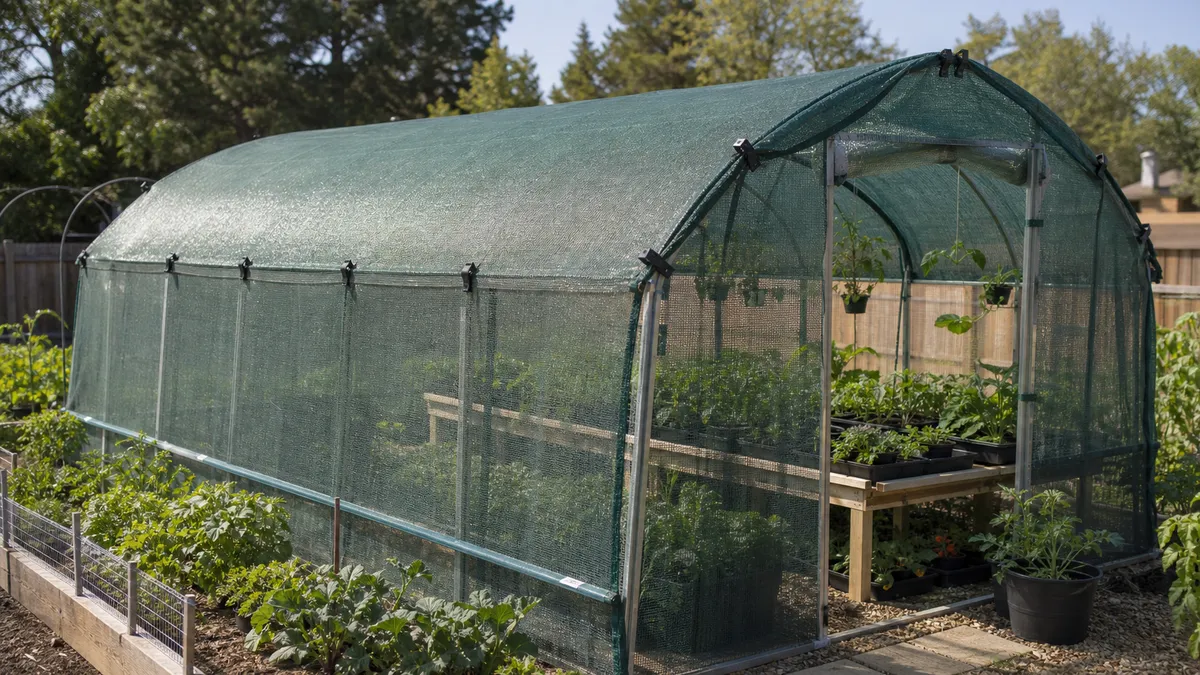
USU Extension recommends replacing plastic with 30 percent shade cloth when high tunnel weather warms. That is a useful anchor for fruiting crops and mixed tunnel production, not a command to use one percentage everywhere. Lettuce, seedlings and nursery crops may justify stronger shade during hotter stretches.
A greenhouse is different from an open bed because heat is trapped by structure. If vents are closed or air is stagnant, a cloth percentage that looks correct on paper may still leave plants stressed. Shade percentage should be paired with airflow checks.
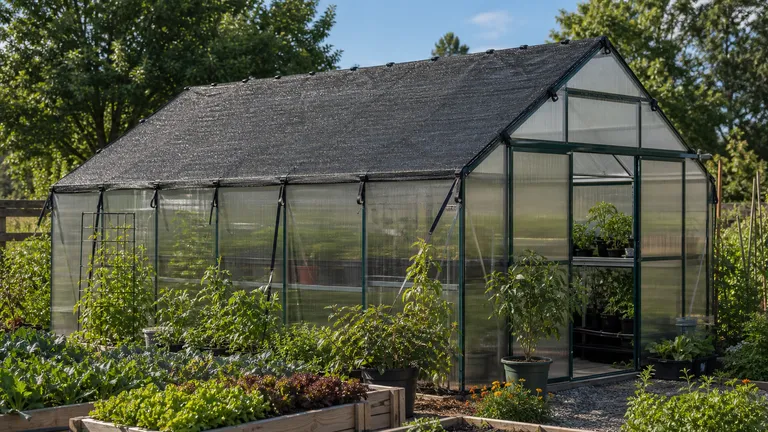
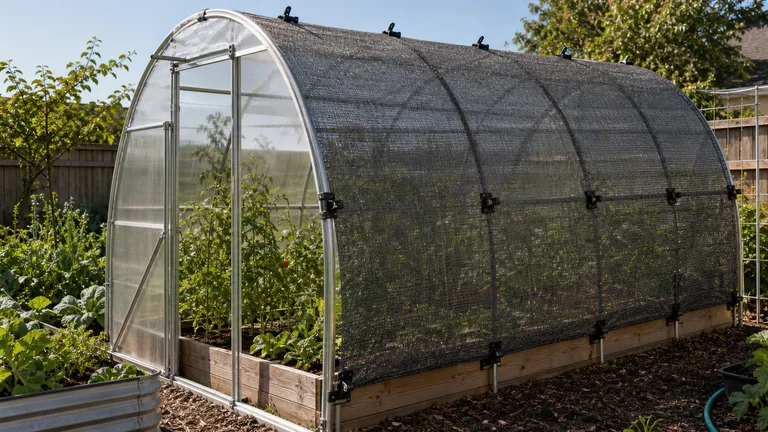
Exterior placement usually performs better than interior placement because radiation is intercepted before it heats the enclosed air. Interior cloth may still reduce leaf scorch, but the heat has already entered the structure. Use interior placement mainly when exterior attachment is impractical or wind exposure makes outside cloth risky.
The roof orientation changes which side needs more attention. A west-facing roof plane may drive late-day heat even when the morning side feels comfortable. Partial panels can be used as a test before the entire structure is covered.
Snow and winter storage should be planned in cold regions. Shade cloth that is useful in July can be a liability when light is scarce or when snow load and wind rub against the greenhouse cover.
When a high tunnel gets hot soon after plastic goes on, use roof shade while opening sides and vents. Heat from sun load and trapped air has to be handled together.
If the budget does not cover a full greenhouse panel, shade the hottest roof section first and watch plant response. A partial panel can prove the percentage before you pay for custom coverage.
Buying checks
Buying checks before you order
Use these checks before choosing a darker cloth, bigger awning or heavier kit.
| Check | Why it matters | Practical test |
|---|---|---|
| Match cloth percentage to the crop grown under the roof. | Radiation and trapped air must be handled together. | High tunnel is hot after plastic goes on in spring |
| Keep roll-up sides, doors and fans usable after shade is attached. | Deep shade can reduce light for fruiting crops. | Tomatoes are the main crop |
| Place shade outside the cover when the structure allows it. | Leaf quality is usually hurt more by heat than by moderate shade. | Leafy greens are grown through summer |
| Review plant stretch and heat stress one week after installation. | Shade cannot exhaust hot air by itself. | Fans are broken or vents stay closed |
Buyer guide
Greenhouse shade cloth categories to compare
Compare greenhouse shade cloth after crop needs, ventilation and attachment points are clear.
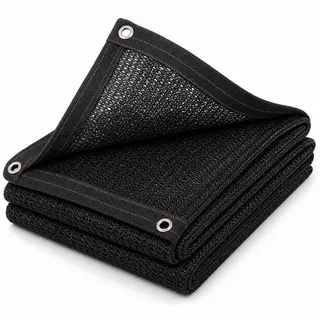
30 percent
Greenhouse Shade Cloth 30 Percent
For many warm-season greenhouse crops when light still matters.
- Fruiting crop starting point
- Lower light reduction
- Use with airflow
Check:Crop response, vent access and afternoon peak heat.
Compare categories
40 percent
Greenhouse Shade Cloth 40 Percent
For stronger seasonal relief when crops tolerate more shade.
- Moderate greenhouse shade
- Useful for heat spells
- Watch for stretch
Check:Crop type, duration and ventilation after midday.
Compare categories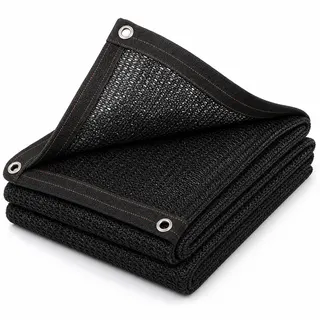
50 percent
Greenhouse Shade Cloth 50 Percent
For hotter structures when airflow is already handled.
- Stronger roof shade
- Needs open vents
- Avoid over-shading crops
Check:Peak temperature, flowering and whether doors or fans stay usable.
Compare categoriesPlacement, size and attachment
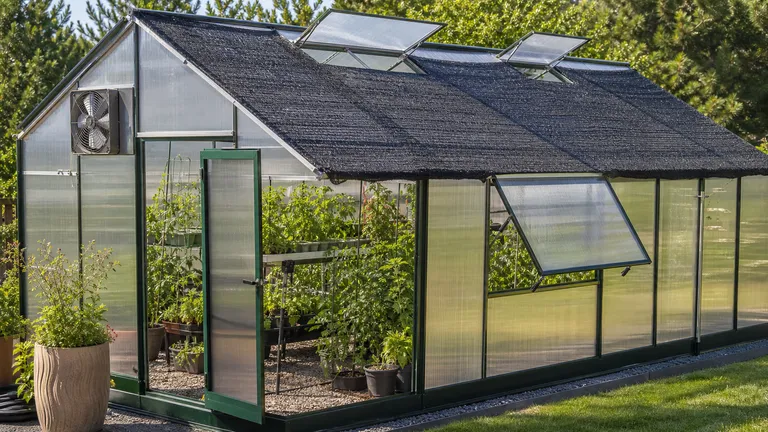
A 20 by 30 ft roof area needs panel planning, clips and access for vents rather than a loose garden scrap. The cloth should cover the heat-loaded roof area while leaving roll-up sides, doors, fans and irrigation access usable. Attachment matters because loose fabric abrades plastic and flaps in wind.
Place cloth outside the greenhouse when possible so solar radiation is intercepted before it enters. Interior shade can help in some structures, but it allows more heat into the envelope before blocking light.
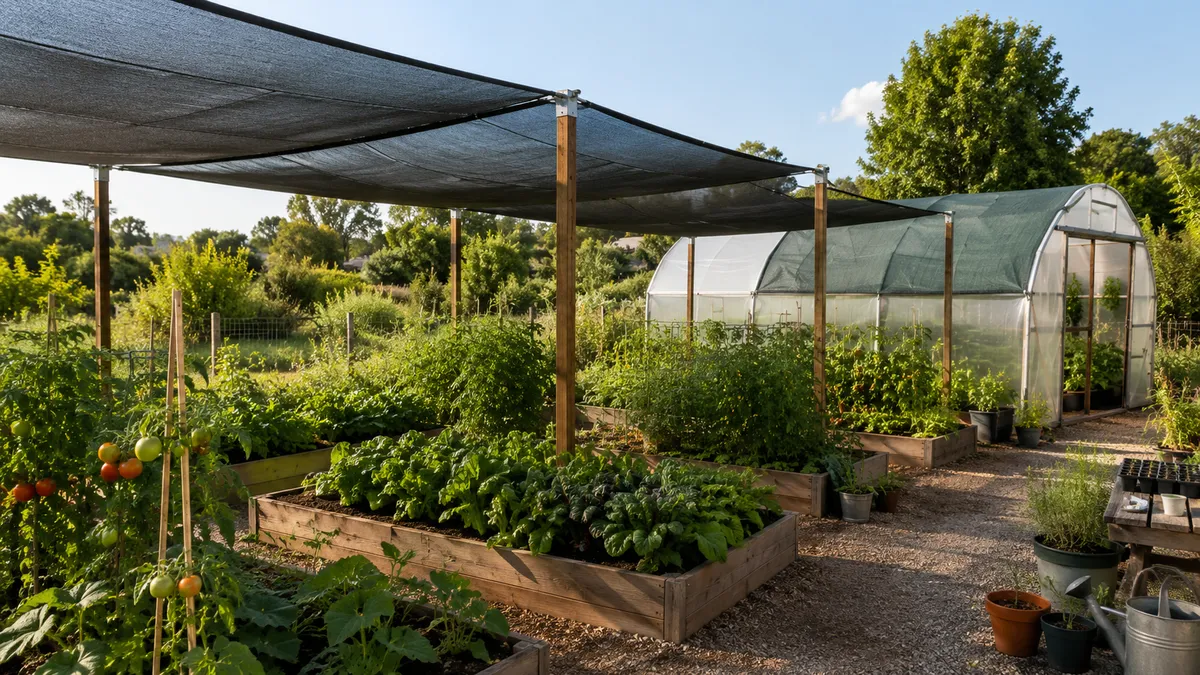
Greenhouse crops also differ by bench height and airflow. Hanging baskets, tomato leaders and seedling trays may sit in different heat layers. A single roof panel can help the whole structure, but local fans or bench-level changes may still be needed.
Condensation and humidity should be watched after shade goes up. A cooler leaf surface can change disease pressure if ventilation is weak. The goal is lower heat stress without creating a damp still canopy.
For automated houses, check whether shade changes thermostat, fan or vent behavior. Controls that worked before cloth may cycle differently after peak light is reduced.
When tomatoes are the main greenhouse crop, start with lighter shade and monitor fruit set. Deep shade may cool the house but still cost flowers and fruit.
On an exposed high tunnel, tie roof shade securely and keep vents useful. A loose cloth can tear in gusts, while a sealed tunnel still traps heat under any percentage.
Budget and product costs
Small greenhouse panels can cost under $100, while larger finished panels or roll purchases can move into several hundred dollars. The final price depends on finished edges, grommets, UV stabilization, custom sizing and the hardware used to tension the cloth safely. Color is secondary to percentage and airflow; black cloth is common, while white or reflective cloth can make a greenhouse brighter.
Pay for the features that reduce failure: UV-stabilized knitted polyethylene, reinforced edges where needed, compatible clips and a way to remove or roll the cloth when the season changes. A cheap panel that tears at the first storm is not a low-cost greenhouse solution.
Installation should preserve emergency access. Doors, latches, roll-up sides and fan shutters must remain reachable after cloth is tied on. A panel that blocks the vent crank can make the greenhouse hotter on the first sunny day.
For commercial-style tunnels, labor matters. Shade that takes two people and a calm day to adjust will not be changed often. If frequent changes are expected, invest in attachment methods that make those changes realistic.
For summer leafy greens in a greenhouse, stronger temporary shade can protect leaf quality. Keep it focused over the crop zone so the whole house does not lose more light than needed.
When shade cloth is not enough
If the tunnel stays hot with open vents, add airflow, irrigation timing or seasonal crop changes instead of simply buying darker cloth. UMN Extension discusses preparing high tunnels for hot summers with ventilation and moisture in the same conversation as shade. That framing is important because shade does not move air.
Do not use very dark cloth to compensate for poor ventilation. The crop may cool slightly and still stretch, slow down or lose yield. Fix greenhouse airflow and water, not just the light level.
For seasonal regions, plan removal before the first cool stretch. A cloth left on too late can reduce autumn light just when the greenhouse should be collecting heat. Label the ties or clips so the removal routine is quick.
A data logger or simple thermometer can prevent overcorrection. If shade drops peak temperature only slightly, ventilation may be the next upgrade. If shade drops light too much, the percentage or duration should be reduced.
If fans are broken or vents stay closed, fix airflow before relying on cloth. Shade can reduce sun load, but it cannot exhaust hot air by itself.
Watch-outs
Before you buy or install
- Darker cloth can reduce production when light becomes limiting.
- Loose roof cloth can abrade greenhouse plastic in wind.
- Closed vents can defeat an otherwise reasonable shade percentage.
Read Next
Related guides if your situation is different
Shade Cloth Guide
Use this when shade cloth is closer to the real constraint than the current page.
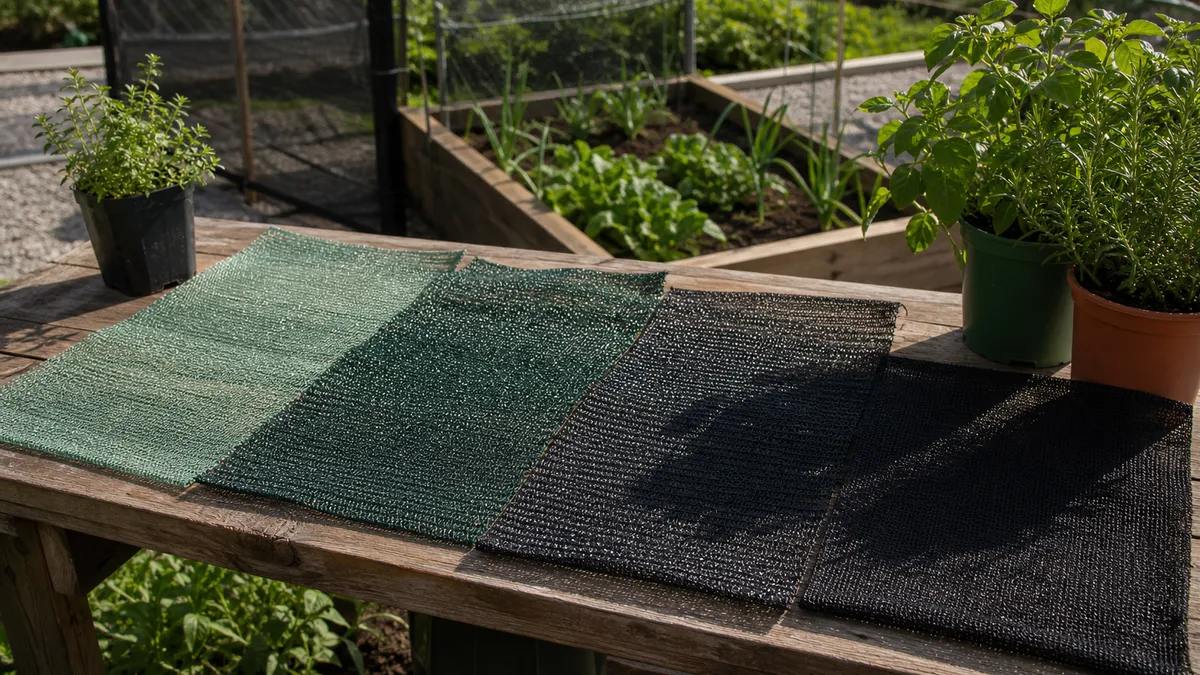
Shade Cloth Percentage Guide
Use this when shade cloth percentage guide is closer to the real constraint than the current page.
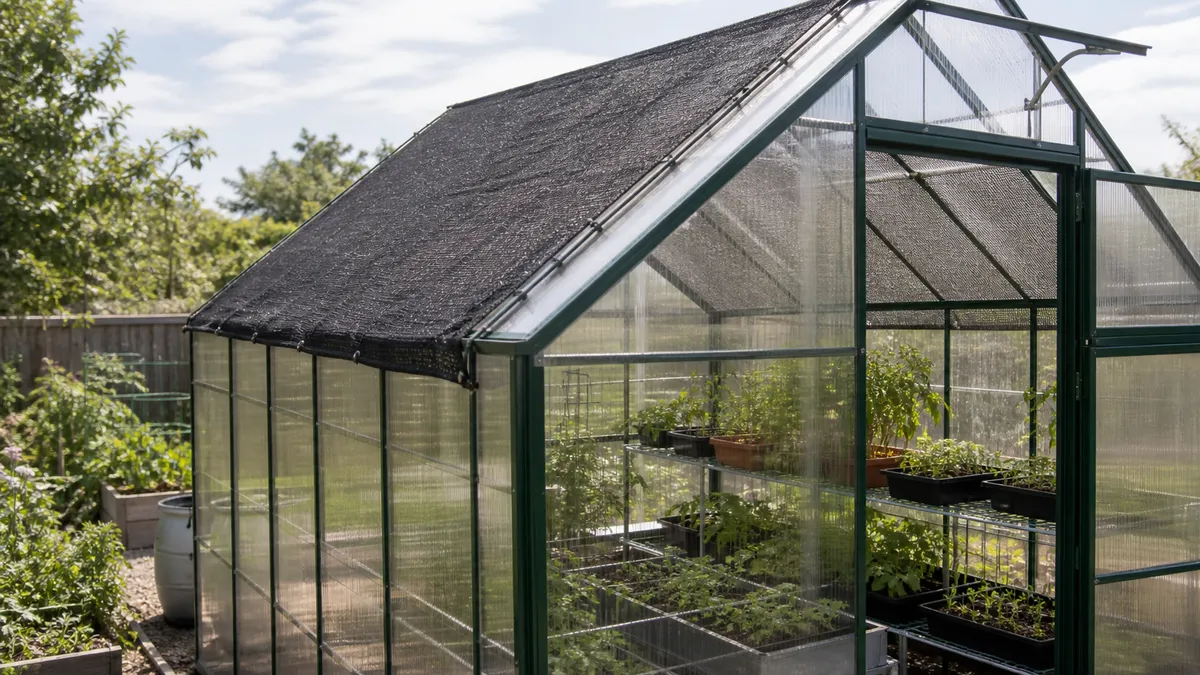
Shade Cloth for Greenhouse Roof
Use this when shade cloth for greenhouse roof is closer to the real constraint than the current page.
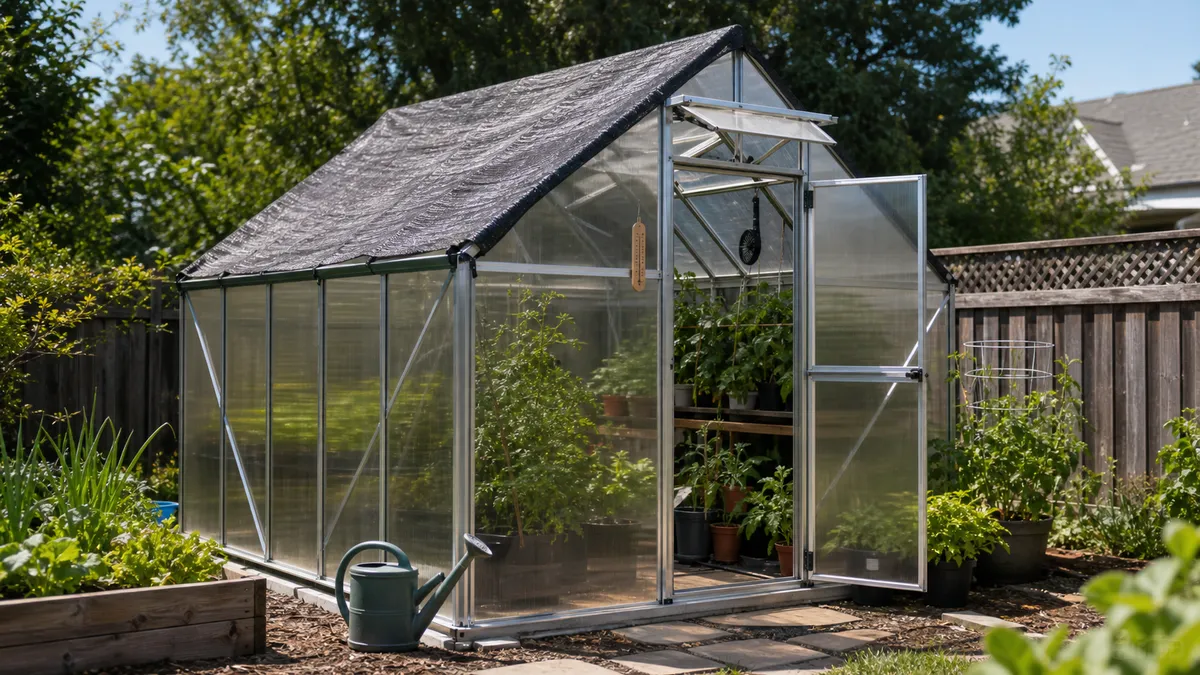
How to Keep a Greenhouse Cool in Summer
Use this when how to keep greenhouse cool is closer to the real constraint than the current page.
Questions
FAQ
What percentage shade cloth is best for a greenhouse?
Many greenhouse crops start around 30 percent shade in warm weather, while seedlings or leafy crops may need more during heat. Watch plant stretch, flowering and leaf temperature before moving to darker cloth.
Should shade cloth go inside or outside a greenhouse?
Outside placement usually blocks heat before it enters the structure. Inside shade can still reduce light, but more heat reaches the cover first. Keep vents, fans, doors and roll-up sides working after the cloth is installed.
Can greenhouse shade cloth replace ventilation?
No. Shade lowers solar load, but trapped hot air still stresses plants. Use shade with ventilation, water timing and crop selection. If the tunnel stays hot with vents open, darker cloth may not solve the main problem.
How much does greenhouse shade cloth cost?
Small panels can stay under $100, while larger finished panels or rolls can move into several hundred dollars. Finished edges, UV stabilization, grommets, custom sizing and clips usually drive the final price.