
Quick Answer
Quick answer for a hot tub pergola
For a hot tub pergola, start with an open or adjustable-airflow setup unless roof drainage, service clearance, electrical checks and structural support are already solved. Do not buy a roofed or screened kit before checking GFCI/RCD protection, deck or pad support, cover-lifter travel and equipment-panel access.
Choose an open or louvered hot tub pergola only when airflow, service access, drainage, electrical checks and support details pass.
Buying Direction
What to buy for the hot tub area
Use this table after airflow, drainage, access, electrical and support checks are clear.
| Situation | Buy / use this | Why |
|---|---|---|
| Neighbors overlook the tub but the spa steams heavily | Use an open pergola with adjustable side curtains or roll-down screens | It gives privacy without sealing the warm, damp air; check tie-backs, screen movement and wind exposure before buying. |
| Rain use and shade control both matter | Compare a louvered pergola with documented gutters and drainage | Louvers can open for steam and close for rain, but only product documents can prove runoff, wind and snow limits. |
| A permanent dry roof is the main goal | Use a fixed roof or gazebo-style structure only after drainage and load review | A fixed cover improves rain protection but raises condensation, runoff, cleaning, snow and service-access questions. |
| The hot tub sits on an existing deck with unknown support | Do not buy the pergola yet | The filled tub, occupants, posts and roof loads need a deck professional or engineer before more structure is added. |
| Outlet, disconnect, bonding or lighting locations are unresolved | Stop before posts, roof panels, lights, fans or side screens | Wet skin and wet surfaces raise shock risk, so a licensed electrician or local code office must review the plan. |
| Steps, handrails, cover lifter or service panels are tight | Use a compact open frame or put privacy screens outside the service path | The purchase fails if posts or curtains block the cover, equipment compartment, drain route or safe exit. |
Choose the hot tub pergola by what must stay open
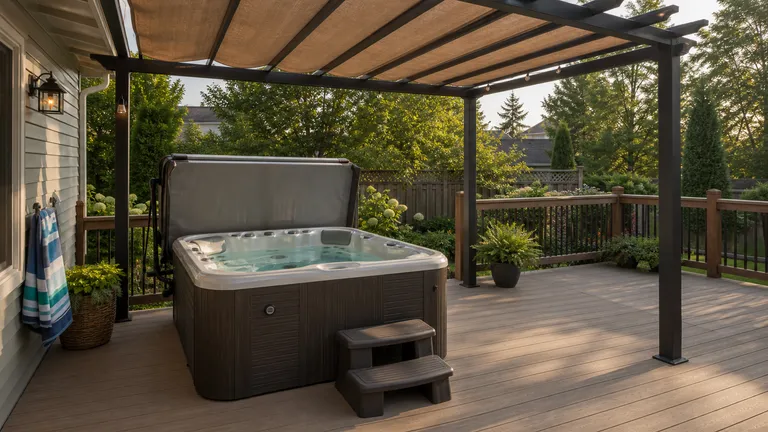
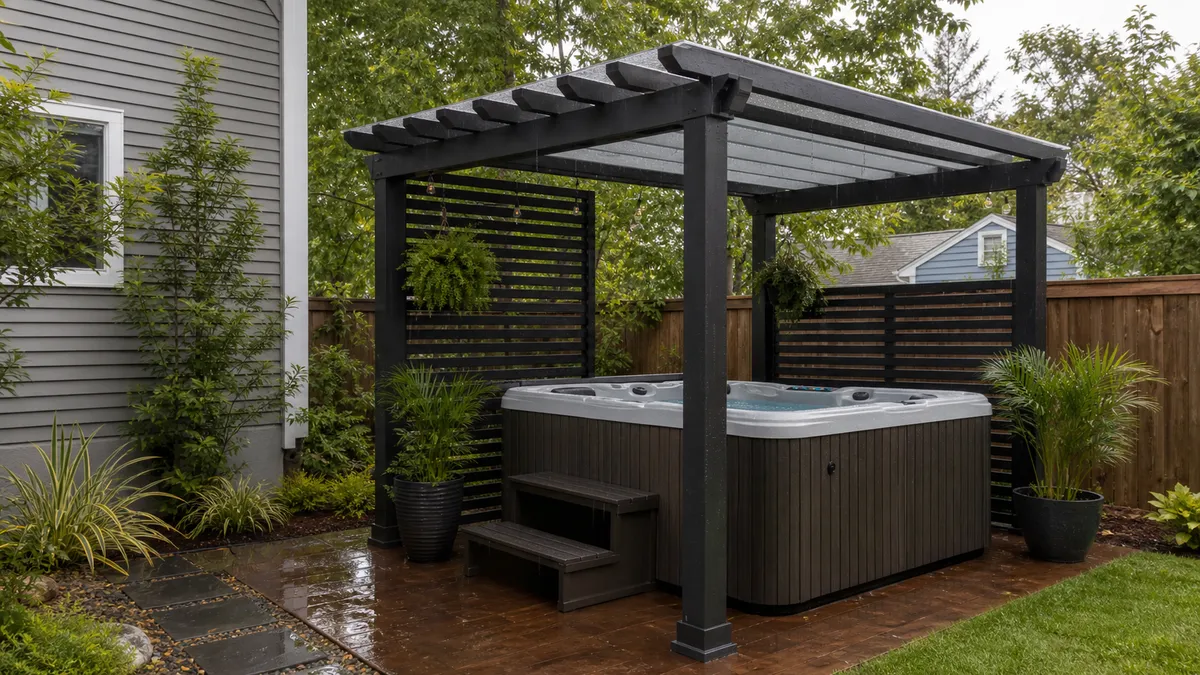
A hot tub pergola is a privacy, shade and rain purchase, but the first buying question is what must stay open. Warm water produces damp air, people climb in with wet skin, the spa cover needs room to move, and the equipment compartment still needs service. A kit that looks clean in a photo can become the wrong buy if it traps steam or blocks the technician's panel.
For most outdoor spas, start by comparing an open pergola with adjustable privacy screens. It can cut the sightline from a neighbor or second-story window while leaving the top and at least part of the sides open. Move toward a louvered roof when rain use matters and the product documents show how water drains. Move toward a fixed roof only when runoff, height, condensation, snow or water load, cleaning and service access are already planned.
Do not treat privacy curtains as a small decoration. Curtains, slat walls, glass panels and roll-down screens change airflow and add wind surface. They can also block the cover lifter or make a wet exit awkward. If the tub smells strongly of chemicals, surfaces feel sticky or slippery, or steam lingers under a low roof, CDC hot-tub guidance gives the broader health context for taking air movement and water maintenance seriously.
- Keep at least one clear path for steam and humid air to leave the tub area.
- Place posts and screens after checking the spa cover, steps, handrails and removable panels.
- Send roof water away from the tub shell, service side, walking route and electrical equipment.
Privacy, rain cover and ventilation: the trade-off
The hard part is that the three things people want most can fight each other. Privacy asks for side coverage. Rain protection asks for a roof. Ventilation asks for openings. A pergola with four closed sides and a low fixed roof may feel private, but it can hold steam, chemical odor and damp fabric close to the soaking area.
Open rafters give the easiest airflow and the least rain protection. Louvers add control because the roof can open while people soak and close when rain starts. Fixed translucent panels or a gazebo-style roof give the driest cover, but they need more attention to condensation, drip edges, gutter lines and cleaning. Curtains and slat screens are useful for sightlines, but they should move, tie back or stop short enough to keep air moving.
CDC hot-tub guidance is not pergola buying advice, but it matters here because mist and water quality are part of the hot-tub environment. CDC says hot-tub water should not exceed 104 F and flags strong chemical smell plus slippery or sticky surfaces as warning signs. If a pergola design would hold odor, mist and damp surfaces around the tub, choose less enclosure before buying more panels.
Glass, tight slat walls and roll-down screens also create a wind problem. A screen that solves a view from one side can pull on posts and anchors when gusts hit. For a screened hot tub pergola, the privacy plan and the anchoring plan are the same purchase.
- Use adjustable side coverage before fixed walls when steam and odor linger.
- Keep curtain bottoms and tie-backs clear of wet steps and handrails.
- Treat every privacy panel as added wind surface.
Roof and privacy choices
Roof and screen choices around a hot tub
The better setup depends on airflow, drainage, service clearance and weather exposure.
| Pergola or roof type | Best fit around a hot tub | Main risk | Verify before buying |
|---|---|---|---|
| Open pergola | Privacy screens, light shade and the easiest steam release. | Limited rain cover and less overhead sun blocking. | Post placement, screen attachment and cover-lifter path. |
| Adjustable louvered pergola | Rain and shade control when airflow still matters. | Closed louvers can trap steam and runoff must be managed. | Product drainage, wind and snow limits, anchors and gutter path. |
| Fixed or translucent roof | A drier soaking area when runoff and cleaning are planned. | Condensation, snow or water load and blocked service access. | Pitch, gutters, panel support, local permits and service clearance. |
| Retractable canopy | Seasonal shade where the cover can be opened for damp air. | Fabric stays damp or sags if used as permanent rain cover. | Fabric instructions, closure routine and storage after wet weather. |
| Curtains, slats or roll-down screens | Sightline control from one or two exposed sides. | Less airflow, more wind surface and possible blocked exit. | Tie-backs, bottom clearance, frame strength and screen service path. |
| Full gazebo-style enclosure | Only when a designed shelter, ventilation and access plan exist. | Steam, odor, barrier confusion, snow and maintenance access. | Manual limits, local rules, ventilation and safe access around every side. |
Roof choices for a hot tub pergola
Open pergolas are the easiest starting point because they do not pretend to be a waterproof room. They shade the spa edge, carry side screens, and leave steam a clear path out. They are weak on rain, so they work best when the tub already has a good insulated cover and the pergola is mainly for privacy and summer shade.
Louvered pergolas are worth comparing when rain control and ventilation both matter. Azenco's R-BLADE and StruXure Pergola X are manufacturer examples of products built around rotating louvers, drainage features and screen or privacy accessories. Keep those claims tied to the named products. A generic louvered kit does not inherit another brand's gutter details, wind claims, evaluation report or accessory compatibility.
Fixed polycarbonate, metal or solid roofs need the most restraint. They can keep rain off the water and steps, but they also create drip lines, condensation, snow or water load, and cleaning access. The roof should send water away from the tub shell, the equipment side, the electrical area and the route people use when climbing out with wet feet.
A gazebo-style kit can be tempting because it looks finished. Read the manual before treating it like a spa shelter. Yardistry's 12x14 gazebo manual is a useful example because it frames the product as a decorative and privacy structure, not a pool or hot-tub safety barrier or a support for heavy objects, and it warns about anchoring, permits and weather loads. That is exactly the kind of product-specific boundary a hot tub project needs.
- Do not add gutters or roof panels unless runoff has a safe landing point.
- Do not hang heaters, fans, lights or heavy accessories from a kit unless the manual allows them.
- Do not assume a fixed roof is better if it makes service work or cover removal harder.
Clearance around the tub: cover, panels, steps and service
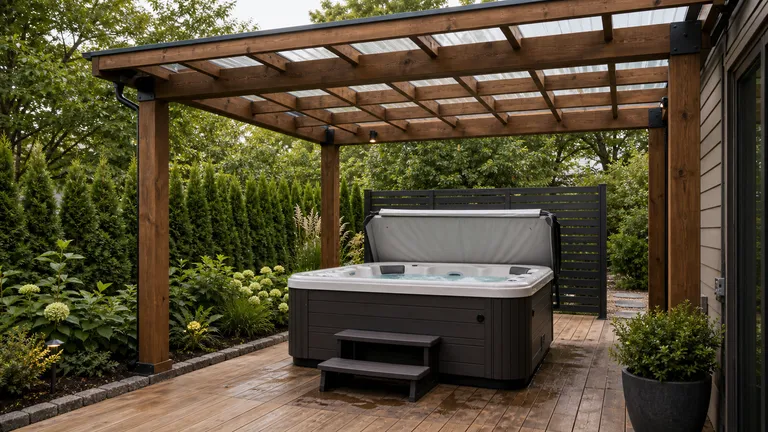
Hot tub clearance is not just walking space. The cover has to fold, slide or lift. The steps need a dry, unblocked landing. Handrails need room to work. Removable skirt panels and the equipment compartment need to come off without moving a post. The drain route needs to stay reachable when water changes or service work happens.
Bullfrog's owner manual gives useful examples without creating universal rules. It tells owners to keep the equipment compartment accessible for service, to make sure drainage moves away from the spa, and to allow up to 18 inches behind the spa for some cover-lifting mechanisms. That number is a manual example, not a rule for every spa. Check the exact spa and cover-lifter manual before post locations are set.
A privacy screen can be outside the tub zone rather than attached to the pergola frame. That often works better when the service panel is on the neighbor-facing side. Keep the screen far enough away that a technician can remove panels, open the equipment bay, reach valves and work without draining or moving the spa.
Steps and exits matter because people leave the tub wet, warm and sometimes at night. Do not place a post, curtain weight, planter, towel box or screen guide where it narrows the first step out of the water. A compact open pergola beside the tub can be a better buy than a larger roof centered directly over it.
- Mark the cover-lifter swing before setting any post or screen.
- Keep the equipment compartment and removable panels clear on the service side.
- Leave a direct wet-foot route from the tub to a stable landing.
Electrical, GFCI and wet-area checks before adding structure
Electrical decisions come before pergola accessories. CPSC's pool, spa and hot tub guidance warns about shock risks around electrical equipment, outlets, switches, cords and overhead power lines. Around a spa, wet skin and wet walking surfaces make casual electrical changes more serious than they may look in a pergola listing.
ESFI advises GFCI protection for outdoor electrical devices near pools and spas, covered and dry outdoor receptacles, cords and devices away from water, no overhead power-line conflicts and electrician inspection or upgrades where needed. Use that as the boundary: the page can tell you what to ask, but it should not teach wiring.
Before buying lights, fans, speakers, powered louvers, roll-down screens or added outlets, have a licensed electrician or local code authority verify GFCI/RCD protection, bonding, disconnect placement, device location, wet-location or outdoor product requirements and any overhead-line issue. Do the same before placing posts or screens that could interfere with access to required electrical equipment.
Manual examples matter too. Bullfrog's manual discusses dedicated electrical supply, GFCI/RCD protection and bonding in model-specific terms. That reinforces the same buying rule: do not let a pergola post, privacy wall or roof accessory force a workaround around the spa's required electrical setup.
- Do not add powered pergola accessories before GFCI/RCD, bonding and disconnect checks.
- Keep receptacles, switches, cords and devices away from splash and wet handling.
- Stop if a post, screen or roof would conflict with overhead lines or electrical access.
Category research
Hot tub pergola categories to compare after safety checks
Compare categories only after airflow, service access, drainage, support and electrical checks are clear. These are research paths, not tested rankings or safety approvals.
Adjustable roof
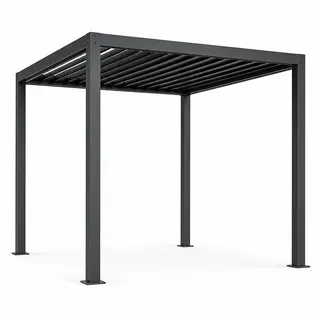
Louvered pergola
For rain and shade control when the manual covers drainage, anchors and weather limits.
- Can open for steam release
- Needs documented gutter path
- Check wind and snow limits
Check:Verify drainage, anchoring, electrical accessories and service clearance around the spa.
Compare louvered pergolas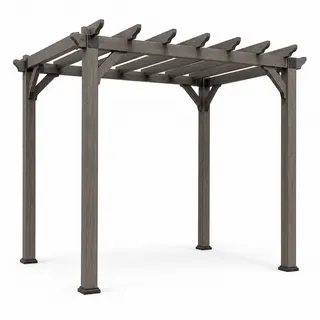
Open frame
Open pergola kit
For shade structure plus separate privacy screens when airflow and access matter most.
- Best airflow of the main choices
- Works with separate screens
- Less rain protection
Check:Confirm post bases, footing plan, cover-lifter travel and screen wind surface.
Compare pergola kits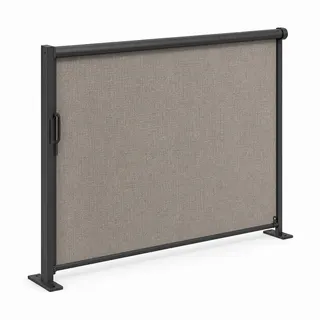
Privacy
Outdoor curtains or roll-down screens
For sightline control when they can tie back and stay out of the service path.
- Targets one exposed side
- Must not trap steam
- Adds wind surface
Check:Check airflow gaps, tie-backs, screen guides, wet exit route and equipment-panel access.
Compare privacy screensDeck support, anchoring, wind and snow load
A hot tub and a pergola create two different support questions. The spa needs a foundation or deck that can carry the filled tub, water and occupants. The pergola needs posts, bases, fasteners and anchors that match its own roof, screens and weather exposure. Do not let a pergola quote imply that the deck below the tub is already acceptable.
AWC DCA6 matters because it says concentrated loads such as hot tubs are outside the scope of that prescriptive deck guide. The same document is built around ordinary deck design assumptions such as 40 psf live load and 10 psf dead load, which is not enough to approve a filled spa. Bullfrog gives manufacturer examples where some filled weights can reach about 6,000 lb plus occupants. Use the exact spa model and a qualified deck professional, engineer or installer before adding posts or roof loads nearby.
Anchoring needs the same care. A surface anchor into pavers, thin decking or an unknown slab should not be accepted just because the pergola kit includes a base plate. Yardistry's manual example tells installers to anchor on a solid, level surface and to check permits and local requirements. A louvered or screened hot tub pergola can catch more wind than an open frame, so anchors must match the final shape, not the bare kit.
Snow, standing water, fans, lights, heaters, hanging plants and extra privacy panels all change the load story. The ICC-ES report listing for StruXure is useful as an example of one premium pergola line with evaluation documentation; it does not mean ordinary kits have the same documentation. Ask for the manual or engineering data for the specific product being installed.
- Check the hot tub support separately from the pergola post support.
- Do not rely on deck-board or paver anchors for a roofed, screened spa shelter.
- Treat side screens as wind load, not just privacy fabric.
Cost, accessories and what changes the purchase
The pergola kit price is not the project price. Around a hot tub, the real quote can include footings, post bases, deck or pad review, gutters, roof pitch work, louver motors, rain sensors, privacy screens, curtain tracks, electrician time, outdoor-rated lighting, fan planning, cover-lifter relocation and professional installation.
Louvered and fixed-roof products usually cost more than open pergola frames because they add moving parts, drainage and roof support. That higher cost may be worth it when rain use is central, but only if the roof sends water where it belongs and the manual covers the local weather exposure.
Privacy add-ons look cheaper but can force other changes. A roll-down shade may need stronger posts, side channels, tie-downs or a safer wind routine. Curtains may need stainless or corrosion-resistant hardware near damp spa air. Slat walls may need footings or permits if they act like a fence or barrier.
Budget for professional checks before buying decorative upgrades. A structural review or electrician visit is frustrating when you want to shop, but it is cheaper than moving a tub, relocating posts, redoing an unsafe outlet or cutting apart a screen wall so the service panel can open.
- Price roof, gutters, footings, screens and service access together.
- Do not buy lighting, fans or powered screens until wet-area electrical checks pass.
- Leave money for cover-lifter or step changes if the pergola changes the access path.
Budget checks
Costs and accessories that can change the buy
Exact pricing depends on local labor, product line and site work, so compare scope instead of headline package totals.
| Cost driver | Why it matters near a hot tub | Ask before buying |
|---|---|---|
| Footings, post bases and anchors | Screens and roofs add wind and weather loads to the frame. | What exact substrate and anchor detail does the installer plan to use? |
| Louvered or fixed roof | Rain control changes drainage, condensation and snow or water load. | Where does runoff land, and what manual limits apply? |
| Curtains, slats or roll-down shades | Privacy fabric can trap steam and pull on posts in wind. | Can the sides open, tie back and stay out of the service path? |
| Electrical accessories | Lights, fans, speakers and powered louvers enter wet-area electrical review. | Has a licensed electrician checked devices, GFCI/RCD, bonding and disconnect access? |
| Cover-lifter and service changes | Posts or screens can block the cover or equipment compartment. | Will the spa dealer or service tech still reach every removable panel? |
Do not treat these as optional upgrades until the safety and access checks are solved.
When not to buy a hot tub pergola yet
Do not buy a hot tub pergola yet if the tub sits on a deck that has not been checked for the filled spa load. AWC DCA6 makes clear that hot tubs are not a normal prescriptive deck load. Add pergola posts, screens and a roof only after the tub support and pergola support are both understood.
Pause when the roof would drain onto the spa cover, steps, walking route, electrical equipment, deck ledger or foundation area. Rain control is not a win if it moves water into the slippery path people use when climbing out of the tub.
Skip sealed walls when steam, strong chemical odor or damp fabric already show up around the spa. Start with a freestanding privacy screen away from the tub, an open pergola without a roof, or a pergola beside the tub rather than over it.
Stop when electrical checks are unresolved. That includes GFCI/RCD protection, bonding, disconnect access, outdoor-rated fixtures, powered screens, lights, fans, speakers, receptacles and overhead lines. Bring in a licensed electrician or local code office before buying accessories that would be hard to move.
Wait if local permits, HOA rules, rental rules, barrier rules or the product manual are unclear. Privacy panels are not pool or spa safety barriers, and a decorative gazebo kit is not automatically a support for snow, hanging loads, roof changes or added walls.
- Use a freestanding screen away from the tub when the service side is crowded.
- Use an open pergola beside the tub when a roof would trap steam or block the cover.
- Delay the purchase when deck, electrical, permit or anchoring questions are still open.
Watch-outs
Before you buy or install
- Do not use privacy panels, curtains or a pergola wall as a pool or spa safety barrier.
- Do not add a roof, screens, fans or lights until wet-area electrical checks are complete.
- Do not assume an existing deck can support a filled hot tub plus nearby pergola loads.
- Do not let roof runoff drain onto steps, the equipment side, outlets or the wet walking path.
- Do not add fixed walls when steam, odor or condensation already linger around the tub.
Read Next
Related guides if your situation is different
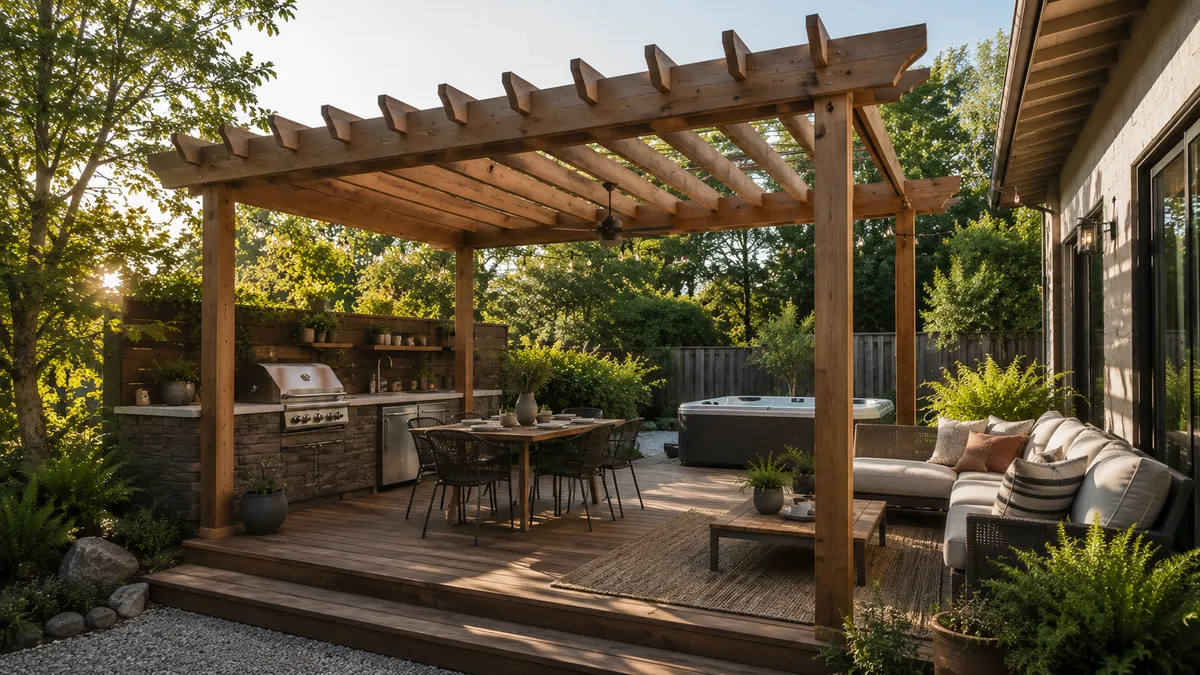
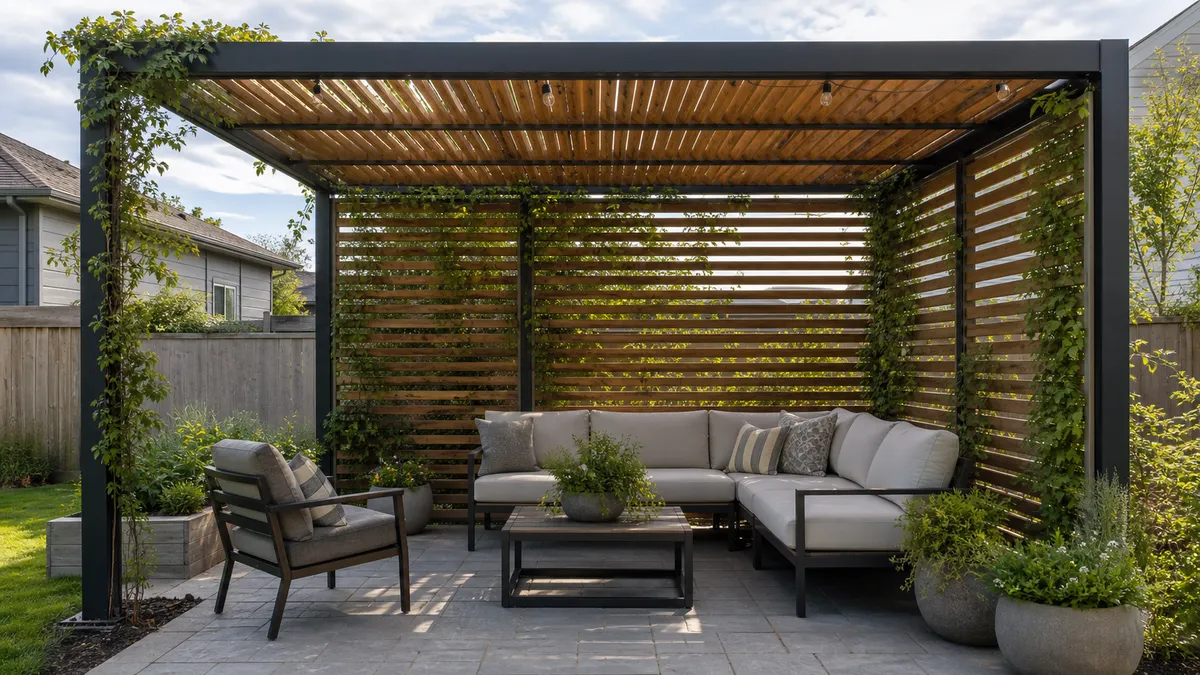
Questions
FAQ
Can you put a pergola over a hot tub?
Yes, but only when airflow, roof drainage, service access, electrical safety, anchoring and structural support all work. An open or adjustable pergola is usually easier to plan than a sealed roofed enclosure because steam, access and cover movement stay easier to manage.
Is a louvered pergola good over a hot tub?
A louvered pergola can work well because the roof can open for steam and close for rain. Check the exact product documents for gutters, runoff, wind and snow limits, anchors, powered parts and screen compatibility before treating it as a hot-tub shelter.
How much room do I need around a hot tub under a pergola?
Use the spa and cover-lifter manuals, not one universal number. As one example, Bullfrog notes that some cover-lifting mechanisms may need up to 18 inches behind the spa. Also leave room for steps, handrails, drain access, removable panels and equipment service.
Do hot tubs under pergolas need ventilation?
Yes. Avoid sealed curtains, fixed walls or low roofs that hold steam, mist and chemical odor around the tub. Adjustable screens, open sides and louvers that can open during soaking usually fit better than a fully closed privacy shell.
Can privacy curtains go around a hot tub pergola?
They can, but use them as adjustable sightline control rather than permanent walls. Tie them back for airflow, keep them clear of wet steps and service panels, and treat them as wind surface that may require stronger posts, tracks or anchors.
Do I need an electrician or permit for a hot tub pergola?
You may. Electrical additions, powered louvers, lights, fans, outlets, bonding, GFCI/RCD protection, disconnect access, deck support, roof structure, barriers and local placement rules can require licensed or local-code review before the pergola is bought or installed.