
Quick Answer
shade cloth for lettuce: the short version
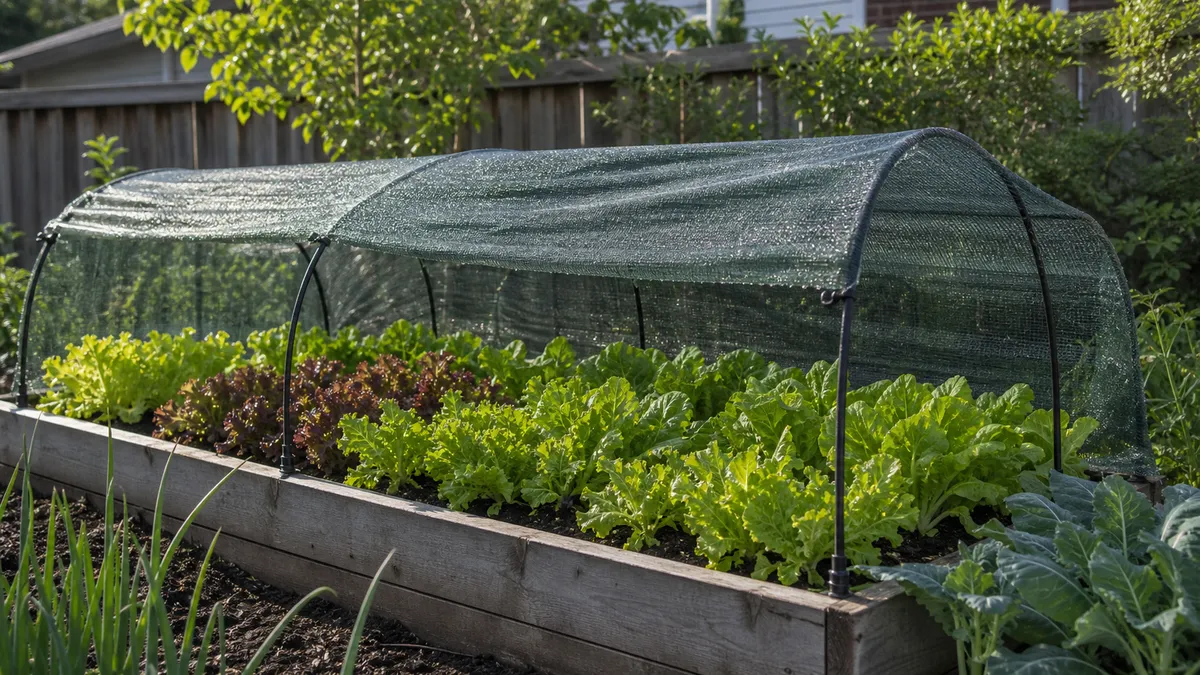
Use shade cloth for lettuce before heat stress turns into bolting. A temporary 40 to 50 percent cloth can protect leaf quality during hot afternoons, but it should stay above the leaves and come off when cool weather returns again.
Use temporary shade for lettuce when heat is building; harvest or replant when bolting has already started.
Buying Direction
What to buy or use for lettuce shade
Use this table for the buying direction before comparing prices.
| Situation | Buy / use this | Why |
|---|---|---|
| Lettuce wilts during afternoon heat | Use 40 to 50 percent shade during the hot window. | Leaf quality benefits from stronger cooling than fruiting crops. |
| Seedlings are newly transplanted | Use short-term shade until roots establish. | Young plants need protection while they recover. |
| Mature lettuce is already bitter and bolting | Harvest what remains and replant in a cooler slot. | Shade cannot reverse advanced bolting. |
| Mixed bed includes tomatoes | Shade lettuce separately from fruiting crops. | The crops want different light levels. |
| Greenhouse lettuce is hot despite cloth | Improve ventilation and water timing. | Trapped air still stresses leafy greens. |
Choose percentage for leaf quality
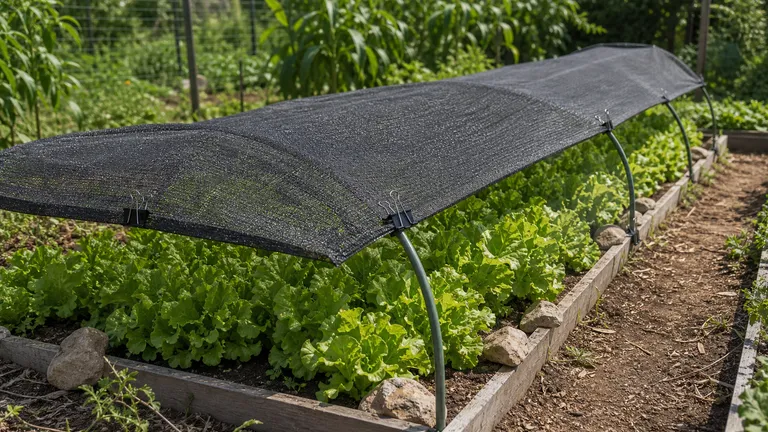
Lettuce often tolerates 40 to 50 percent temporary shade better than tomatoes because leaf cooling is the goal. The cloth should soften harsh sun during the hottest part of the day without keeping the crop dim all season. If leaves stretch or pale, the shade is too strong or left too long.
Use shade before the crop is fully stressed. Once lettuce is bitter, tall and bolting, cloth can slow further damage but it cannot rebuild eating quality.
Lettuce shade should be easy to remove for harvesting. A frame that requires unclipping the whole bed every time will be neglected. Use hoops, binder clips or quick ties so the cloth can be lifted without bruising leaves.
When night temperatures stay high, even perfect daytime shade has limits. At that point, switch to heat-tolerant greens or pause sowing until the next cooler window.
If pests increase under the cloth, lift the cover daily and inspect the leaf undersides. Cooler shaded beds can also shelter insects, so the shade routine should include scouting rather than only watering.
When lettuce wilts in afternoon heat, 40 to 50 percent shade can protect leaf quality during the hot window. Watch for stretching if the cover stays on after the heat breaks.
If greenhouse lettuce stays hot despite cloth, improve ventilation and water timing first. Trapped air still stresses leafy greens under a darker cover.
Buying checks
Buying checks before you order
Use these checks before choosing a darker cloth, bigger awning or heavier kit.
| Check | Why it matters | Practical test |
|---|---|---|
| Install shade before lettuce bolts. | Leaf quality benefits from stronger cooling than fruiting crops. | Lettuce wilts during afternoon heat |
| Lift cloth above the leaves for airflow. | Young plants need protection while they recover. | Seedlings are newly transplanted |
| Remove shade when cool weather returns. | Shade cannot reverse advanced bolting. | Mature lettuce is already bitter and bolting |
| Separate lettuce shade from tomato shade in mixed beds. | The crops want different light levels. | Mixed bed includes tomatoes |
Buyer guide
Lettuce shade setup categories to compare
Compare small removable setups after timing, airflow and harvest access are clear.
40 percent
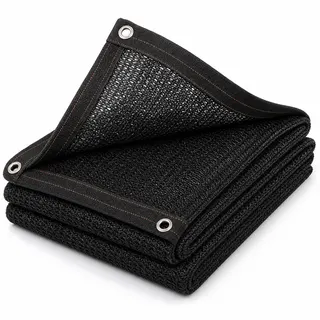
40 Percent Shade Cloth Garden
For light leafy-green relief during hot afternoons.
- Leafy crop relief
- Better for short heat
- Remove after cool-down
Check:Leaf stretch, harvest access and airflow under the panel.
Compare categories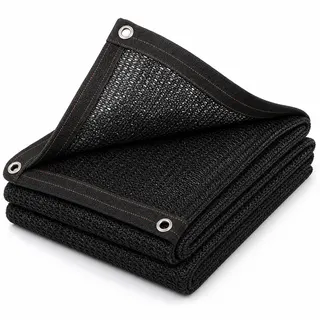
50 percent
50 Percent Shade Cloth Garden
For stronger short-window cooling when lettuce is close to bolting.
- Stronger leaf cooling
- Best as short-term cover
- Watch for pale growth
Check:Heat duration, plant color and removal routine.
Compare categories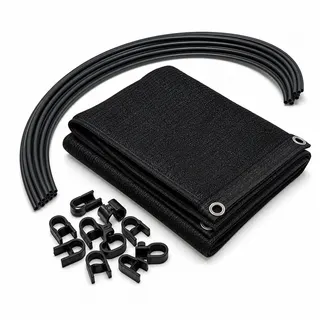
Hoops
Garden Hoops for Shade Cloth
For holding cloth above lettuce instead of directly on leaves.
- Keeps airflow open
- Improves harvest access
- Reusable bed support
Check:Bed width, mature leaf height and wind exposure.
Compare categoriesPlacement over beds and containers
A 3 by 6 ft container group can use a small hoop frame, while a long salad bed may need a continuous low tunnel. Keep the fabric above leaves so air moves through the crop. Shade that rests on leaves can trap moisture and increase disease pressure.
Afternoon-only shade is often enough for lettuce in shoulder seasons. In peak summer, morning sun plus afternoon shade may preserve leaves longer than full-day exposure.
Morning harvest pairs well with shade management. Pick leaves before the hottest part of the day, then replace cloth for afternoon protection. This routine keeps eating quality higher than leaving stressed leaves in full sun until evening.
Low tunnels should be tall enough that mature leaves do not press against the cloth. As lettuce grows, a frame that worked for seedlings can become too low. Raise the cover or harvest outer leaves before abrasion begins.
Afternoon shade can be paired with morning sun by placing the cloth slightly west of the bed or using a frame that covers the crop after midday. That approach gives lettuce useful light early and protection during the harshest heat.
New lettuce transplants usually need short-term shade while roots establish. Remove the cover gradually once leaves recover so the plants do not stretch.
On an exposed lettuce bed, secure 40 to 50 percent cloth close to the hoops so it cools leaves without snapping in gusts. Leafy greens benefit from cooling, but loose fabric can bruise plants.
Cost and reusable materials
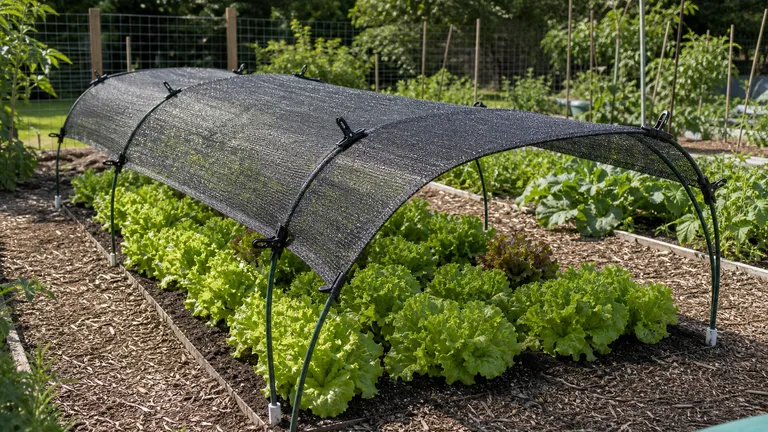
A small lettuce shade setup can be built with a retail knitted polyethylene panel in the $20 to $80 range plus hoops or clips. Finished edges and grommets cost more but reduce tearing. A reusable low tunnel frame can serve spring hardening, summer shade and fall frost support with different covers.
The cheapest loose scrap becomes expensive when it tears, blows away or lies on wet leaves. Buy enough support hardware to keep cloth controlled and removable.
Containers heat faster than in-ground beds. A lettuce pot on paving may need both side shade for the container and overhead shade for leaves. If the root zone is hot, overhead cloth alone may not stop bitterness or wilting.
Shade timing can be paired with succession planting. Use cloth to extend a planting by several harvests, then start the next batch in a cooler microclimate. That is more realistic than expecting one crop to thrive through every heat event.
For balcony lettuce, wind can dry leaves under shade faster than expected. Check container moisture at the root zone, not only the leaf temperature. Small pots respond quickly to both sun and wind.
If mature lettuce is already bitter and bolting, harvest what remains and replant in a cooler slot. Shade can slow heat stress, but it cannot reverse advanced bolting.
When shade cloth will not save lettuce
Do not expect cloth to reverse lettuce that has already sent up a flower stalk. Replanting, choosing heat-tolerant varieties or shifting the sowing date may be the better answer. Shade helps most before the plant crosses that line.
Also avoid solving drought with shade alone. Dry roots and hot leaves often appear together, but irrigation and mulch may be the primary fix.
Variety selection still matters. Heat-tolerant lettuces, partial-sun planting spots and staggered sowing can reduce how much cloth is needed. Shade is one tool in a timing strategy, not a guarantee of summer salad production.
For cut-and-come-again lettuce, partial shade can keep the regrowth tender for a little longer. Watch the second flush carefully because older plants bolt faster once heat pressure returns.
If cloth is used over a slug-prone bed, lift it during inspections. Cooler protected spaces can encourage pests as well as leaves. Shade management should include harvest, watering and pest checks in one routine.
In a small mixed bed with tomatoes, shade the lettuce separately. The crops want different light levels, and a dark shared cover can weaken the fruiting crop.
Watch-outs
Before you buy or install
- Deep shade can stretch lettuce and reduce quality.
- Fabric touching wet leaves can increase disease risk.
- Shade will not reverse advanced bolting.
Read Next
Related guides if your situation is different
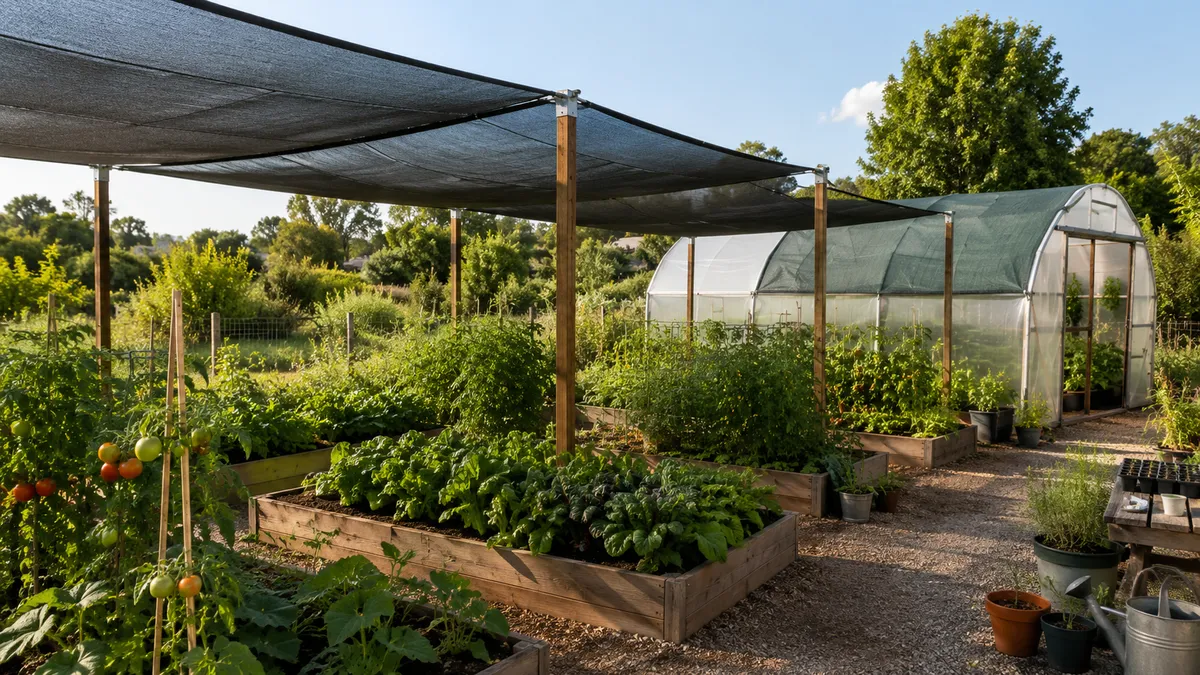
Shade Cloth Guide
Use this when shade cloth is closer to the real constraint than the current page.
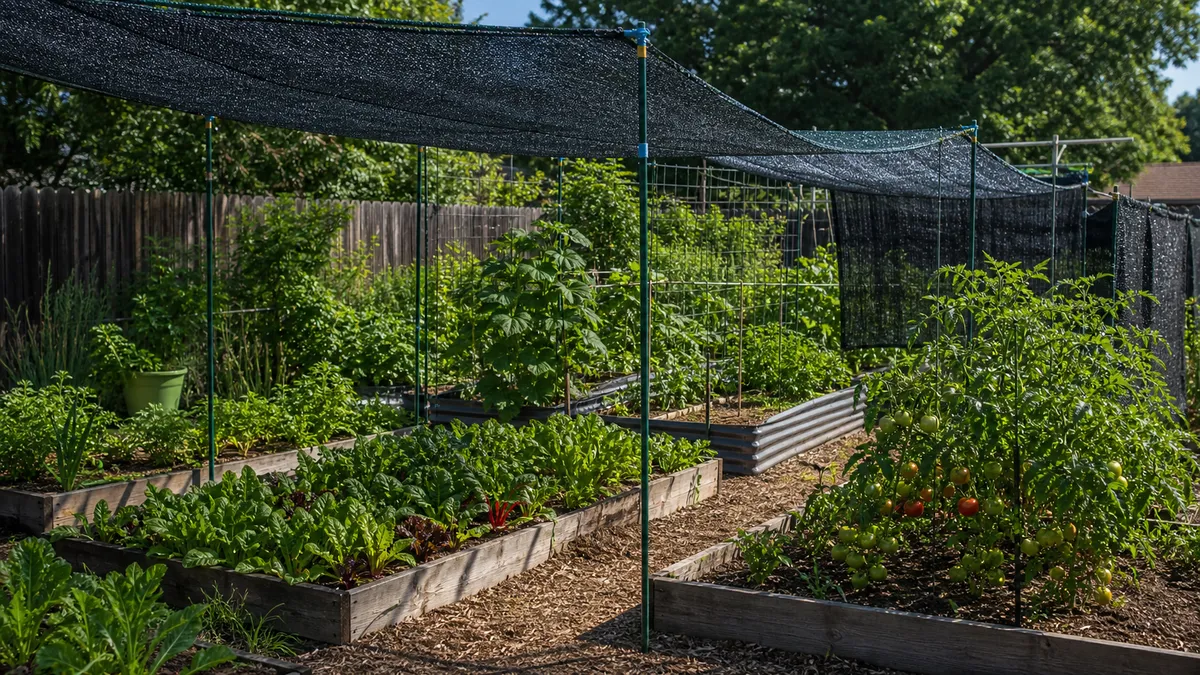
Shade Cloth for Vegetable Garden
Use this when shade cloth for vegetable garden is closer to the real constraint than the current page.
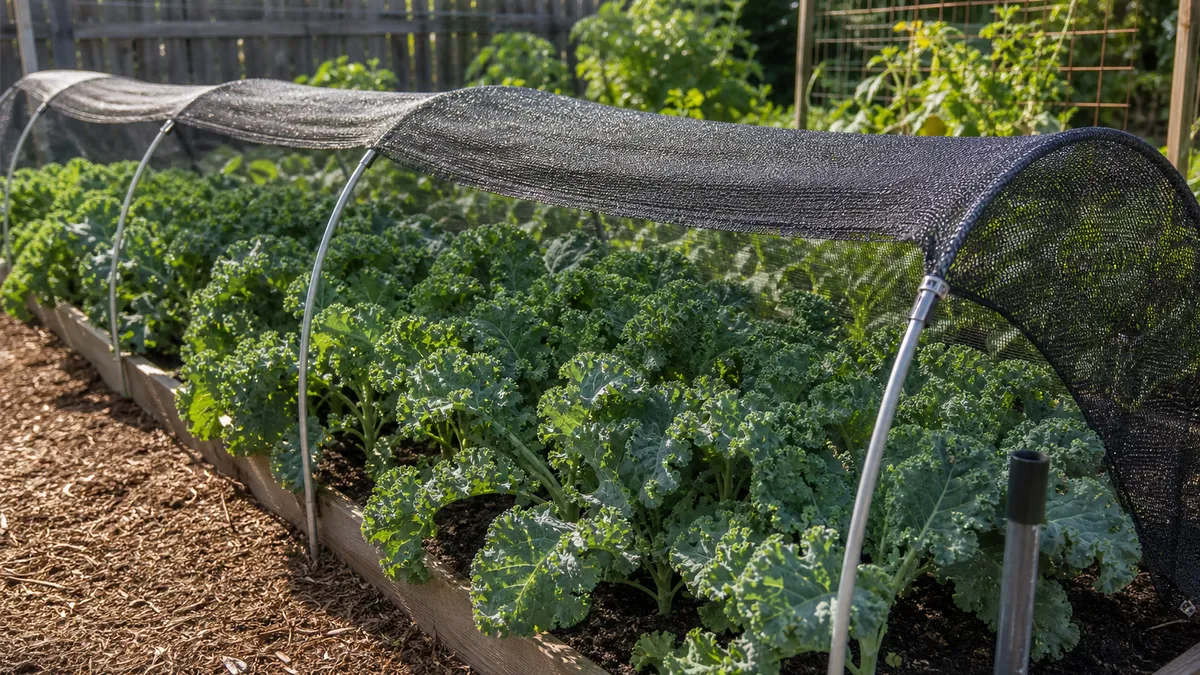
Shade Cloth for Kale
Use this when shade cloth for kale is closer to the real constraint than the current page.
Questions
FAQ
What percentage shade cloth is best for lettuce?
Lettuce often tolerates 40 to 50 percent temporary shade during hot periods. Use the cloth to cool leaves, not to make the bed dark all season. Remove or reduce shade if plants stretch or stay pale.
Can shade cloth stop lettuce from bolting?
Shade can delay heat stress, but it cannot reverse mature lettuce that has already bolted. Install shade before the crop is badly stressed, keep soil moisture steady and plan another sowing for cooler weather.
Should shade cloth touch lettuce leaves?
No. Keep cloth above the leaves on hoops or a frame. Fabric touching leaves can trap moisture, rub the crop and slow airflow. Raise the frame as the lettuce grows.
Is lettuce shade cloth worth buying?
It is worth buying when heat arrives before harvest and the frame can be reused. A small panel plus hoops can protect several plantings. It is less useful after bitterness and flower stalks have already appeared.