
Quick Answer
Quick answer for kale shade
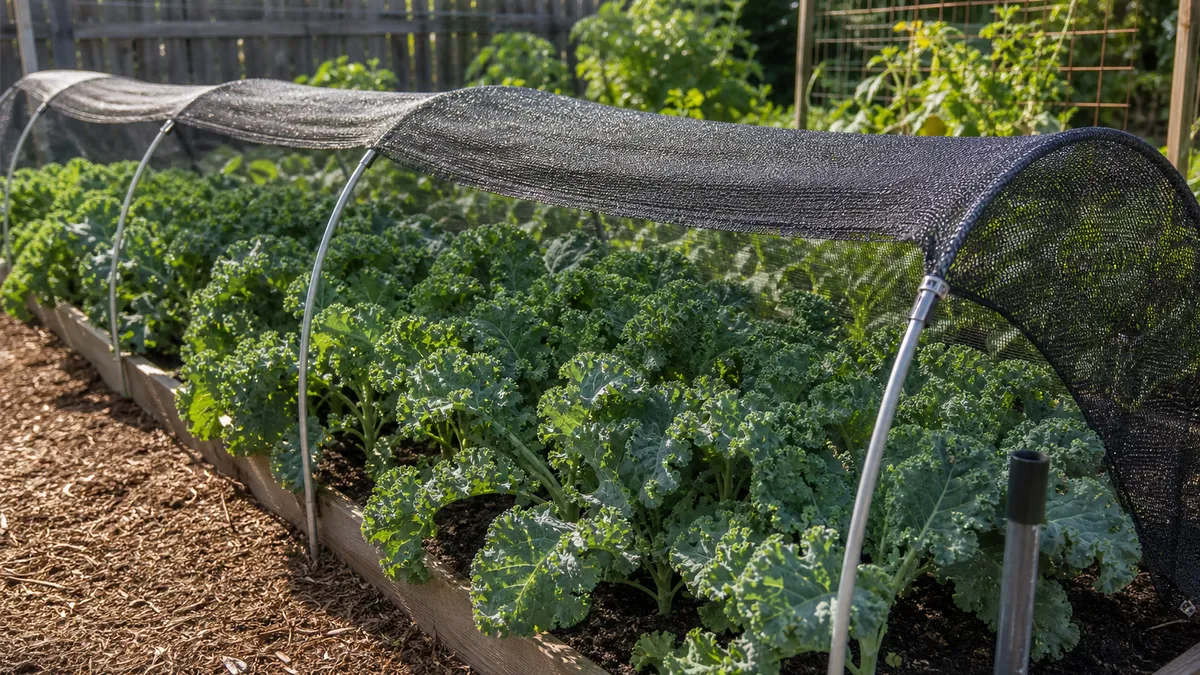
Use shade cloth for kale when repeated hot afternoons hurt leaf quality, not as a permanent dark roof. Start in the 30-50% vegetable range, keep the cloth raised above the leaves with open airflow, and roll it back when cooler weather returns or plants stretch.
Use raised 30-40% afternoon shade first; move toward short-term 50% shade only when repeated heat, young plants or tough bitter leaves justify closer checks.
Ideas
Practical options to compare
Roll back 30-40% afternoon shade
This keeps morning light on the crop while softening the harshest sun instead of dimming kale all day.
Raise 40-50% cloth for the hot spell
Use stronger shade with steady water and mulch, but harvest old stressed leaves because shade cannot make them tender again.
Protect starts briefly, then taper the cover
Light shade and wind protection help roots establish; remove or reduce cloth once new growth holds without midday collapse.
Shade the kale zone separately
A small leafy-green panel protects kale without putting fruiting crops under darker cloth than they can use well.
When kale actually benefits from shade cloth
Shade cloth helps kale when summer heat is causing repeated afternoon wilt, slow new leaves, tougher texture, or a bitter, strong flavor after hot dry weather. Kale is a cool-season leafy brassica. Utah State University Extension says it grows best when temperatures do not exceed 75 F, and its kale guidance links high summer temperatures with reduced growth, lower quality and bitter or off flavors.
Use the cloth as heat relief, not as a promise that spring kale can carry through every summer week. University of Minnesota Extension says the best kale and collard leaf quality comes from fast growth without heat or moisture stress. It also connects overheating or poor water uptake with pungent or bitter flavor, and notes that hot, dry weather can slow growth and make leaves tough and strong flavored.
Midday droop by itself is not enough. Check whether leaves recover by evening, whether the soil is evenly moist, and whether new leaves still look green and firm. If wilt repeats after water and mulch are in place, a raised afternoon panel is reasonable. If the crop is already old, woody, flowering or strongly bitter, harvest what is usable and plan a fall sowing instead of adding darker cloth.
- Use it for repeated afternoon wilt plus declining leaf quality.
- Skip it for dry soil, old leaves, flowering plants or a missed planting window.
- Check first: soil moisture, mulch, pest damage and whether morning sun still reaches the bed.
What percentage to use over kale
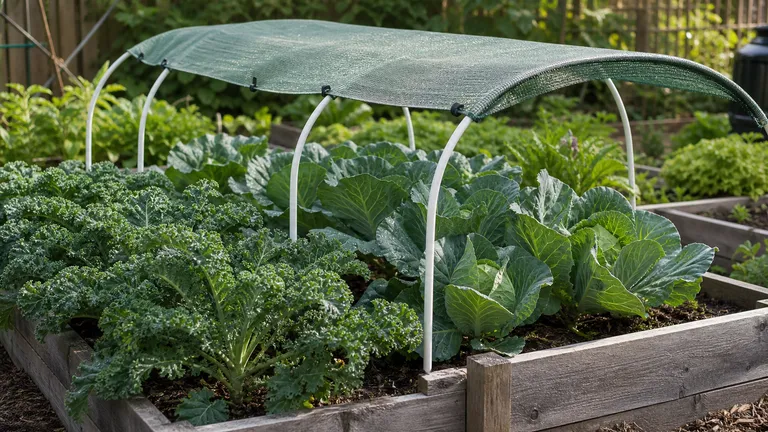
Start lighter than most product pages suggest. Maryland Extension cites 30% shade cloth as adequate cooling without blocking too much light for most vegetables, and University of New Hampshire Extension describes shade cloth as a summer tool for extending cool-season crops into warmer months. For kale, start with 30-40% shade during the hottest part of the day.
Move toward short-term 50% shade only when the bed has repeated harsh afternoon sun, the plants are young, or the leaves are getting tough and strong flavored despite steady water. Oregon State Extension says leafy greens including kale can grow in partial shade, but it also warns that no vegetable grows in full dense shade. That is the line to keep in mind: relief is useful; permanent darkness is not.
A percentage label means light reduction, not a kale guarantee. WSU Master Gardener material notes that shade cloth is sold by percentages such as 30%, 60% and 80%, which is why old sheets or random fabric are poor substitutes when light control matters. WSU also notes that light-colored cloth can reflect heat better than dark cloth, while dark cloth can contribute to spindly growth when a crop is not truly shade-loving.
- 30-40% shade: first test for hot afternoon sun.
- Short-term 50% shade: stronger relief for tender starts or repeated heat.
- 70% and heavier: generally too dark for routine kale leaf production.
Percentage
Kale shade percentage by heat problem
Use this crop-specific range here, then use the full percentage guide for broader 30%, 50%, 70% and 90% comparisons.
| Shade amount | Use over kale | Best fit | Watch out |
|---|---|---|---|
| 30% | First test for hot afternoon sun. | Kale still gets good morning light and only droops late in the day. | May be too light during repeated severe heat. |
| 40% | Middle ground for leafy-green heat relief. | Recurring afternoon stress with otherwise healthy green growth. | Can slow or stretch plants if left up all day in mild weather. |
| 50% | Short-window stronger shade. | Tender starts, harsh reflected heat or a brief heat wave. | Remove or reduce when leaves pale, growth stretches or weather cools. |
| 70%+ | Avoid for normal kale beds. | Only a narrow rescue situation where light is not the main limit. | Too much darkness can produce weak growth and hide pest or disease problems. |
Set the cloth above leaves and keep air moving
Do not drape shade cloth on kale leaves. University of New Hampshire Extension says shade cloth should be held on a frame with space between foliage and cloth, and research notes from Penn State also warn against cloth contact with plants. Direct contact can trap heat, rub leaves in wind and make every harvest or pest check harder.
Use hoops, stakes, a low tunnel, wire bows or a simple bed frame. WSU recommends raising shade cloth several feet above the canopy where possible and leaving one side open away from direct sun for ventilation and reflected light. In a small home bed, leave enough clearance that mature outer leaves do not touch fabric and at least one side can vent.
Wind and access decide whether the cover stays useful. Minnesota Extension season-extension guidance favors supported low tunnels in wind because loose covers can whip and harm plants. Clip cloth close to the hoops, avoid flapping edges, and remove the panel before storms if the frame is light. Leave a harvest side that opens quickly so outer kale leaves can be cut without dragging fabric across the crop.
- Raise cloth on hoops, stakes, wire bows or a low tunnel.
- Keep one side open or lifted so hot humid air can move out.
- Set clips so watering, scouting and outer-leaf harvest stay easy.
Category research
Kale shade categories to compare
Compare categories after heat stress, leaf quality and harvest access are clear.
Medium shade
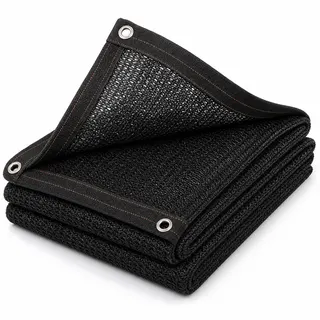
40 Percent Shade Cloth
For summer heat relief without deep shade.
- Leafy crop shade
- Seasonal use
Check:Leaf texture and stretching.
Search on Amazon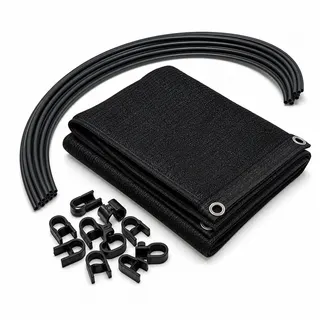
Hoops
Garden Shade Cloth Hoops
For holding fabric above kale leaves.
- Air gap
- Easy picking
Check:Height and row access.
Search on Amazon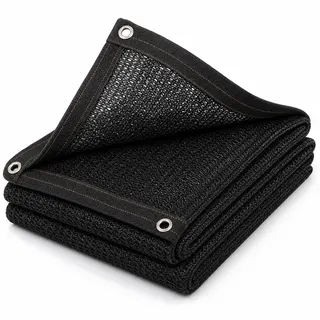
Vegetable cloth
Shade Cloth For Vegetables
For reusable garden shading across leafy crops.
- Multi-crop use
- Flexible panels
Check:Crop grouping and sun path.
Search on AmazonWater, mulch, harvest and scouting under shade
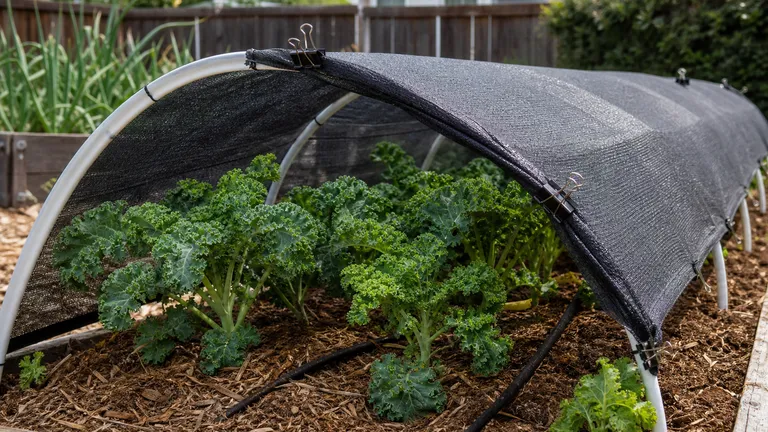
Shade reduces sun load, but kale still needs even water. Utah State University Extension recommends roughly 1-2 inches of water per week for kale and warns that moisture swings can cause tough leaves and off flavors. Check soil under the mulch, not only leaf droop at midday. A drip line, soaker hose or careful base watering is easier under a raised panel than overhead watering through cloth.
Mulch is part of the shade plan. USU recommends organic mulch when temperatures rise above 80 F to cool the soil, reduce water stress and control weeds. Put mulch down before the worst heat, then check whether the bed is drying more slowly under cloth. WSU notes that shade structures can reduce evaporation, so irrigation may need adjustment rather than automatic increases.
The cover should not hide problems. USU lists aphids, cabbage worms or loopers and flea beetles among kale pests. USU cabbage-aphid guidance links aphid feeding with yellow spots, water stress, reduced growth, distorted leaves and honeydew. University of Minnesota Extension identifies imported cabbageworm, cabbage looper and diamondback moth as cole-crop caterpillars. Lift the cloth and check leaf undersides often, especially after hot dry weather when Maryland Extension warns that aphid and spider-mite pressure can rise quickly.
- Harvest outer leaves in the morning before the bed heats up.
- Scout under leaves for aphids, cabbage worms, loopers and flea beetle damage.
- Open the cover if leaves stay wet, the bed smells damp or disease spots appear.
When shade cloth is the wrong fix
Do not use darker cloth to cover a water, age, pest or timing problem. If the soil is dry, fix water and mulch first. If old leaves are already tough and bitter, cut the usable outer leaves and let new growth decide whether the plant is worth keeping. If hot nights continue and plants are flowering, shade can soften the afternoon but may not restore a cool-season crop.
Dense shade can create a different failure. Oregon State Extension says leafy greens including kale can manage partial shade, often with 4-6 hours of sun or dappled light, but no vegetable grows in full dense shade. Leaves that turn pale, stretch toward light, or stop making firm new growth are telling you to shorten the shade window or use lighter cloth.
A sealed cover can also make kale harder to keep clean. USU brassica disease guidance notes that bacterial soft rot affects brassicas and thrives in warm, humid conditions. Remove, roll back or raise the cloth when pests build, leaves stay wet, airflow suffers, harvest becomes awkward, or cooler weather returns. For lettuce, use the separate leafy-green guide because bolting moves faster; for broccoli, use the broccoli page because head formation is the main concern. In mixed beds, use the vegetable-garden guide rather than darkening tomatoes and peppers for kale.
- Remove shade when the heat wave breaks or plants stretch toward light.
- Replant for fall when the crop is old, flowering or strongly bitter.
- Shade kale separately from fruiting crops that need more sun.
Watch-outs
Before you buy or install
- Shade cloth can reduce heat stress, but it cannot repair old tough leaves or guarantee that a summer crop will stay sweet.
- Do not let cloth rest on kale leaves; heat transfer, rubbing and hidden pests can damage the crop.
- Avoid sealed humid covers because warm wet brassica leaves can invite disease.
Read Next
Related ideas
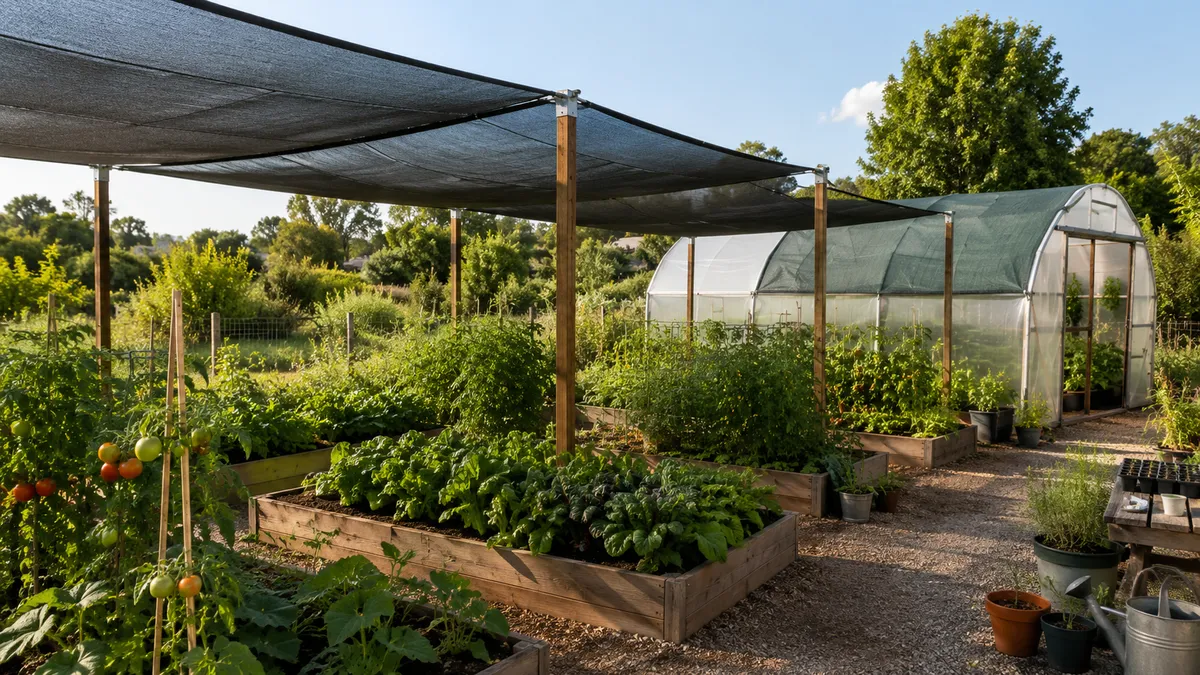
Shade Cloth Guide
Use this when shade cloth is closer to the real constraint than the current page.
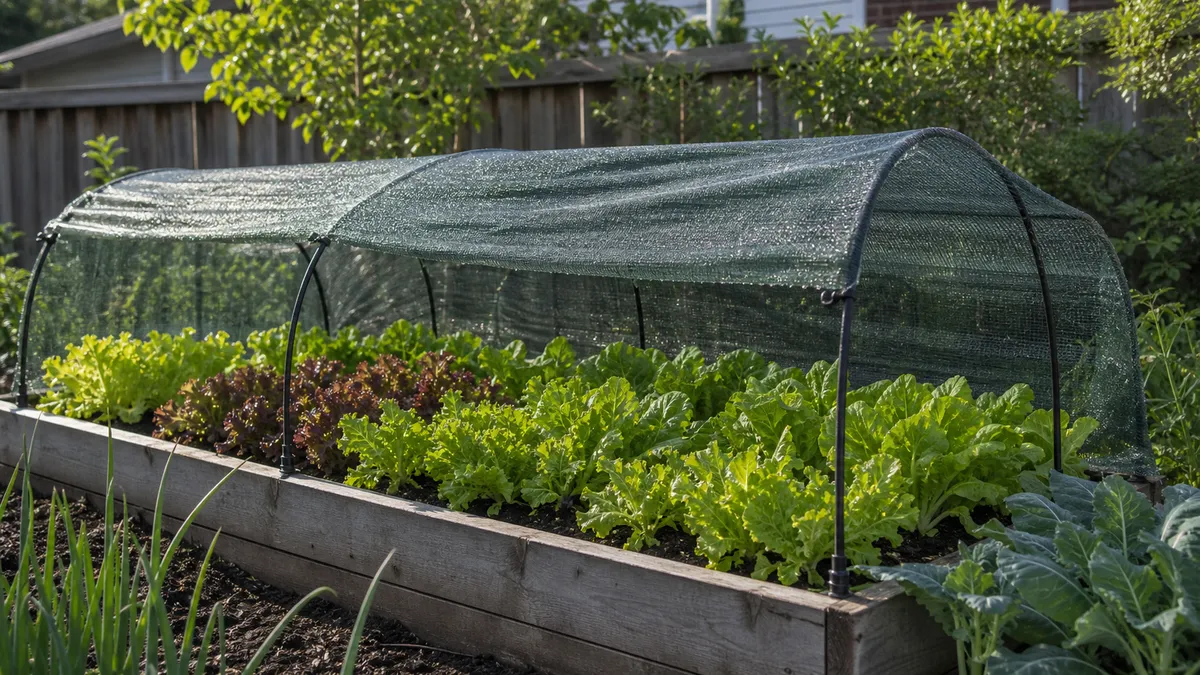
Shade Cloth for Lettuce
Use this when leafy greens are bolting, wilting or failing faster than kale in the same heat.
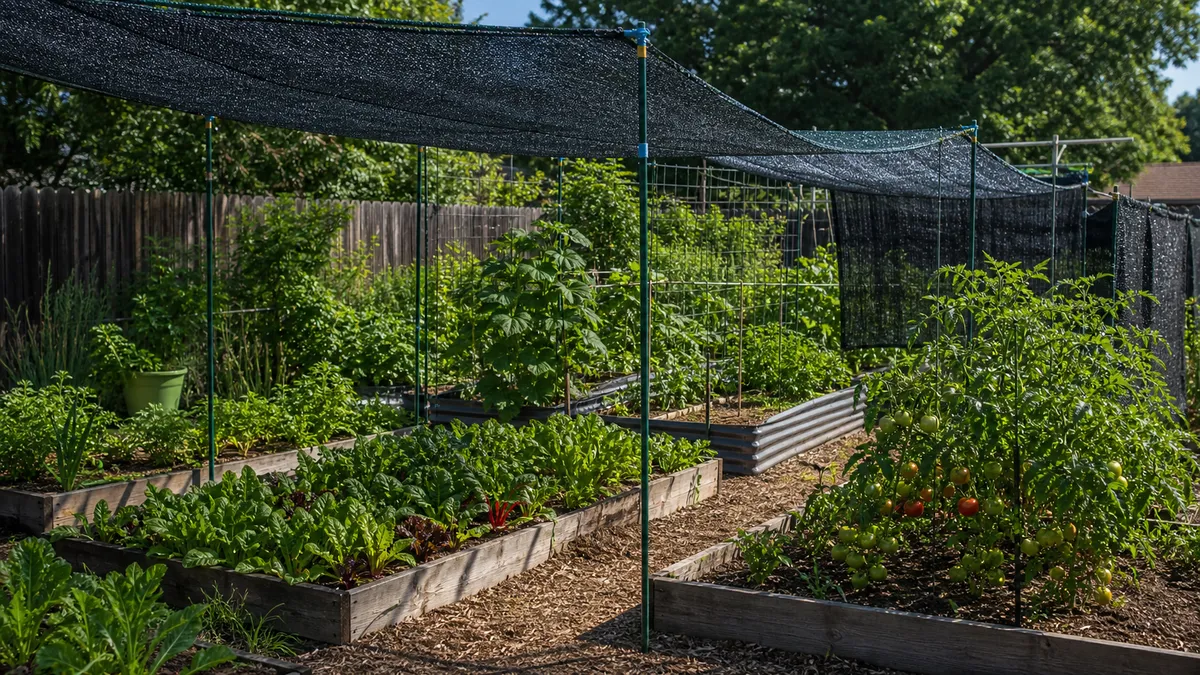
Shade Cloth for Vegetable Garden
Use this when kale shares a mixed bed with tomatoes, peppers, herbs, seedlings or other crops.
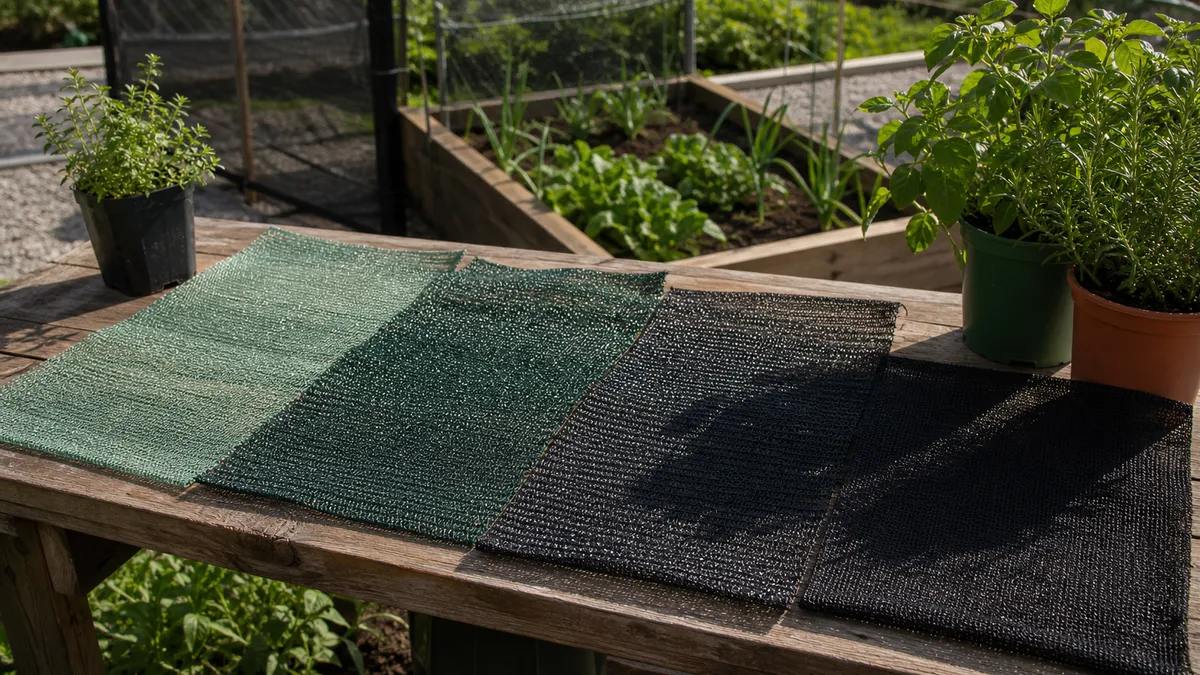
Shade Cloth Percentage Guide
Use this for the broader 30%, 50%, 70% and 90% cloth decision after the kale range is clear.
Questions
FAQ
Is 50% shade cloth too much for kale?
It can be useful for a short hot spell, tender starts or harsh reflected afternoon heat. Do not leave 50% cloth over kale all season without checking growth. Pale leaves, stretching and slow new growth mean the cover is too dark or staying up too long.
Can shade cloth stop kale from getting bitter?
It can reduce one stressor: direct heat and sun. Utah State and Minnesota Extension both connect heat, water stress and poor leaf quality with bitter or strong flavors. Shade works best with even watering and mulch, and it cannot make old stressed leaves tender again.
Should kale shade cloth stay up all day?
Usually no. Keep morning sun when possible and shade the hot afternoon window. Full-day shade makes more sense only during a brief severe heat wave or for young starts, and even then the bed needs open sides, scouting and a removal plan.
Can shade cloth touch kale leaves?
Keep it off the leaves. Extension guidance favors shade cloth on hoops, stakes or frames with air space above foliage. Direct contact can transfer heat, rub leaves in wind and make harvest or pest checks harder, especially as outer leaves grow wide.
What should I check under kale shade cloth?
Check soil moisture, new leaf color, aphids, cabbage worms or loopers, flea beetle damage and damp disease signs. Lift the cloth often enough that it does not become a hidden pest shelter. Open the sides if the bed feels humid or leaves stay wet.