
Quick Answer
Quick answer for greenhouse roof shade
Put shade cloth outside the greenhouse roof when it can sit above the cover without rubbing glazing or blocking vents. Use inside shade only when wind, access, or roof hardware makes exterior cloth risky. Roof shade reduces solar load; it still needs open vents, doors, sides, and fans.
Use exterior roof shade when vent clearance and wind tie-downs are clear; move inside or stay removable when cloth would rub polycarbonate, jam a roof vent, or darken crops for too long.
Roof Routes
Choose how the roof cloth will sit
Start with placement on the greenhouse before choosing the roll size.
Exterior roof panel
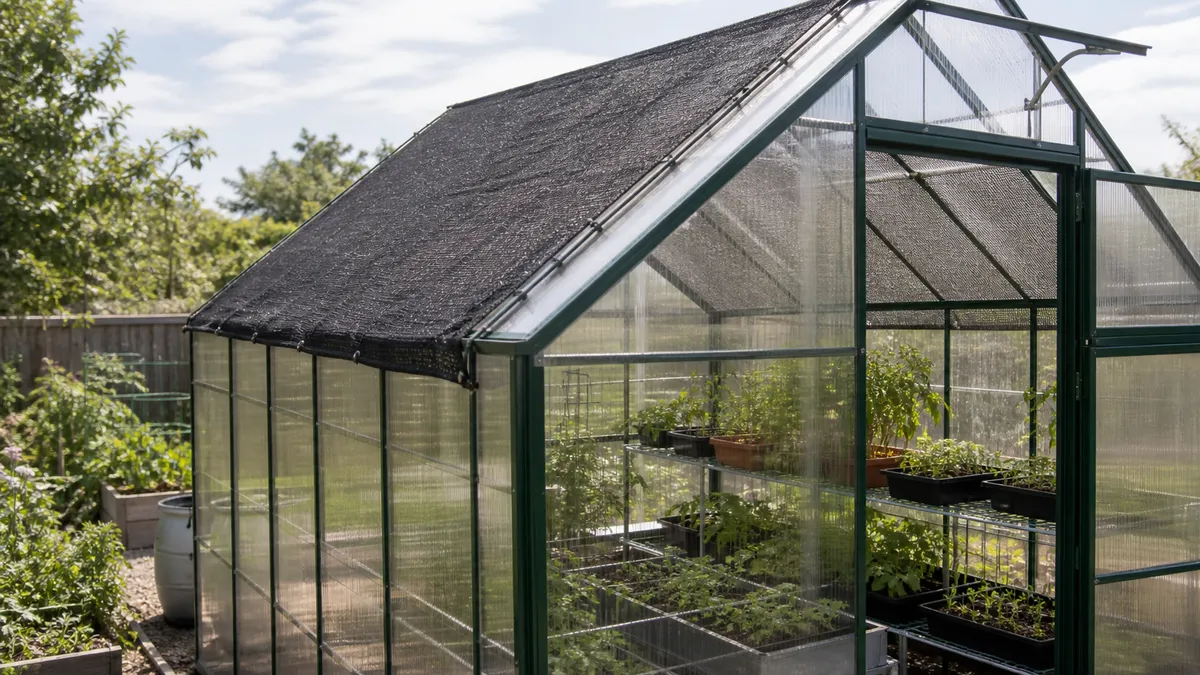
Use exterior shade cloth for greenhouse roof heat when the panel can sit above the glazing, leave every roof vent free, and tie down before wind turns loose fabric into a flapping sail.
Roof plus west or south side strip
Use a roof panel plus a short side strip when late sun comes through the roof edge or sidewall. Keep the strip narrow so the whole greenhouse does not go dark.
Removable summer panel
Use clips, grommets, lacing cord, or a simple frame when the cloth needs to come off for storms, cloudy shoulder weeks, winter storage, or fruiting crops that need more light.
Interior cable or guide wire panel
Use inside shade when exterior access is unsafe, wind is exposed, or the cloth would rub polycarbonate. Suspend it below the roof contour and leave hot air a clear exit above the fabric.
Fix ventilation before more cloth
Do not add darker roof shade while roof vents, fan shutters, doors, or roll-up sides are blocked. Open the airflow first, then decide how much roof shade is still needed.
Outside, inside, or partial roof shade
For most greenhouses, shade cloth over greenhouse glazing controls heat better. It intercepts sun before the cover, frame, benches, and air inside absorb the load. Greenhouse Management makes that same placement distinction: outside shade is strongest for reducing heat gain, while inside shade works only as part of a vented house.
Inside roof shade is still useful when exterior cloth would be hard to reach, unsafe in wind, or likely to rub the cover. UF/IFAS describes greenhouse tomato shade as either 30-40% cloth over the house or an inside cable setup that follows the ceiling contour. The inside version is easier to move during cloudy periods, but it must not create a hot pocket above the plants.
Partial greenhouse roof shade often beats full-roof shade. If the worst heat comes from the south or west roof edge, cover that side first and leave the cooler side brighter. Purdue Extension warns that shade reduces plant growth light, and its greenhouse guidance points to 30-50% shade for many conditions rather than a dark permanent roof layer.
Glazing already reduces light before the cloth is added. Greenhouse Management reports that single-layer glass may lose about 20-30% light transmission and double-poly houses may lose about 35-40%. Add a heavy full-roof cloth on top of that, and tomatoes, peppers, and other fruiting crops can lose the light they need for flowering, fruit set, and ripening.
Placement
Inside vs outside roof shade
Use this table to match roof shade placement to heat, vent, wind, and crop-light problems.
| Setup | Best when | Heat behavior | Vent and airflow risk | Remove or adjust when |
|---|---|---|---|---|
| Exterior cloth over the main roof plane | Midday sun loads the roof and vents can still open. | Blocks part of the sun before the cover heats the house. | Needs cutouts or clearance around roof vent arms, ridge vents, fan shutters, gutters, and automatic openers. | Wind forecast rises, fabric rubs glazing, or cool cloudy weather returns. |
| Exterior roof plus west or south side strip | Late sun enters through the roof edge or sidewall. | Covers the hot sun entry point without making the whole house darker. | Can block roll-up sides or side intake if the strip hangs too low. | Side airflow drops, crops stretch on the shaded side, or the late-sun season passes. |
| Removable exterior summer panel | Heat comes in recurring waves, or the greenhouse sees winter snow and cloudy shoulders. | Gives roof shade when needed without committing to all-season darkness. | Loose clips or poor lacing can flap, tear cloth, or abrade plastic film. | Storms, snow season, cooler weeks, or fruiting slowdown arrive. |
| Interior cable or guide wire panel | Exterior wind, ladder access, or cover contact makes outside cloth unsafe. | Cuts direct radiation after heat has already entered the greenhouse. | Works best with roof vents above it; trapped hot air above the cloth weakens the result. | The panel sags near crops, roof vents cannot exhaust, or plants need more light. |
| No roof cloth yet | Vents, doors, roll-up sides, or fan shutters are closed, blocked, or undersized. | No cloth can exhaust trapped heat by itself. | Fix the high exit and side intake before darkening the roof. | Airflow is working and the remaining problem is direct sun load. |
Attach roof cloth without damaging the greenhouse
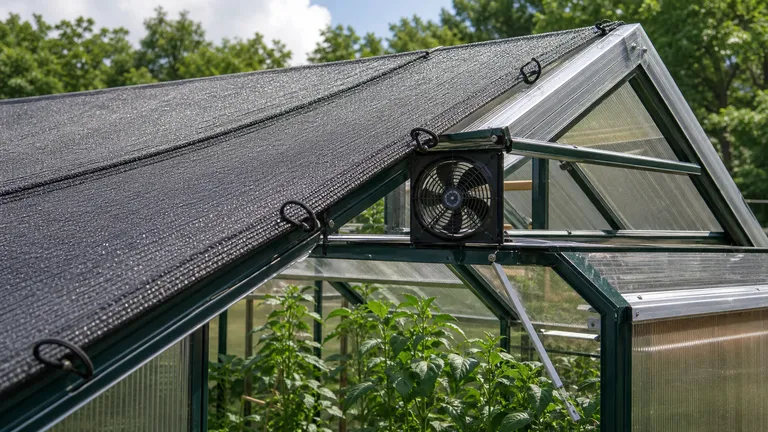
The attachment method matters as much as the shade percentage. Clips and rope can work for a small removable summer panel, but they do not prove the cloth can survive every windy roof. Greenhouse Megastore lists clip spacing from 6 inches to 2 feet depending on the material; treat that as a product detail, not a roof-wide wind rating.
Finished panels with grommets and lacing cord give cleaner edge control than random folds. They also make it easier to remove the cloth before a storm or winter. Install on a clear, cool, dry, non-windy day so the panel can be tensioned without fighting wind while you work.
Frame-mounted hardware is better where the greenhouse structure is built for it. Poly-Tex describes wiggle wire and U-channel as a greenhouse frame fastening method for polyethylene and shade material. Use it only where the channel can mount to actual greenhouse frame members, not to brittle trim, moving vent hardware, or unsupported glazing edges.
Protect the cover from abrasion. BC Greenhouse Builders warns not to place shade cloth directly on polycarbonate panels because damage can occur over time. Keep fabric off plastic film, panel ribs, roof peaks, glazing edges, vent corners, and automatic opener arms. A raised ridge strip, lower dowel, PVC edge, guide wire, or frame support is better than cloth rubbing on the roof in every gust.
Interior panels need clearance too. Penn State Extension warns that shade cloth should not touch plants because hot cloth and wind movement can damage foliage. Keep inside panels above the crop canopy, away from plant tops, and far enough from vents that opener arms can move normally.
Attachment
Attachment methods and where they fit
Choose hardware by roof access, removal routine, wind exposure, and cover protection.
| Method | Best use | Before you use it | Do not use when |
|---|---|---|---|
| Shade-cloth clips plus rope or cord | Small removable panels and short heat-wave setups. | Clip spacing, rope diameter, edge tension, and whether one person can remove it fast. | The roof is exposed to strong wind and the cloth would flap on plastic film. |
| Finished panel with grommets and lacing cord | Seasonal panels that need cleaner edge control and repeat removal. | Grommet spacing, lacing direction, and whether the panel can be stored dry. | The lacing crosses a roof vent, opener arm, fan shutter, or roll-up side. |
| Wiggle wire and U-channel | Frame runs where hardware can fasten to real greenhouse structure. | Frame material, fastener type, channel position, and fabric release during repairs. | Only glazing, trim, or moving roof hardware is available. |
| Raised ridge strip plus lower dowel or PVC edge | Exterior shade over polycarbonate where cloth must stay off the panels. | Clearance over panel ribs, roof peak, gutters, and lower tie-down points. | The lower edge can slap the cover in wind. |
| Interior guide wire or cable | Movable shade below the roof where exterior cloth is unsafe. | Sag, crop clearance, roof vent clearance, and a way to slide or remove the panel. | Hot air cannot escape above the cloth. |
| Ground straps, tie-downs, or quick-removal routine | Wind-exposed exterior panels that must be secured or removed fast. | Anchor points, trip hazards, storm forecast, and who removes the cloth. | The cloth will be left loose, unattended, or loaded by snow. |
Category research
Greenhouse roof shade categories to compare
Compare roof-shade categories after vents, doors and exterior attachment points are checked.
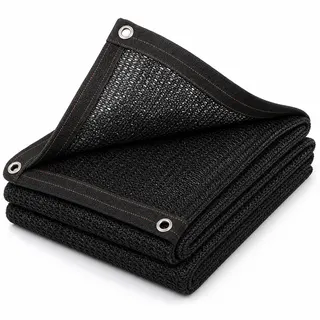
Roof cloth
Greenhouse Roof Shade Cloth
For reducing solar gain before heat enters the structure.
- Exterior roof shade
- Works with vents
Check:Vent access and tie-downs.
Search on Amazon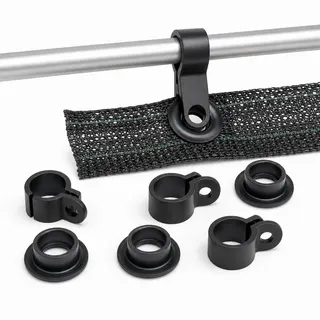
Clips
Greenhouse Shade Cloth Clips
For attaching panels without blocking openings.
- Frame attachment
- Seasonal removal
Check:Frame material and wind.
Search on Amazon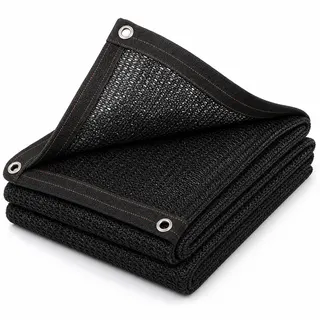
Medium shade
50 Percent Shade Cloth
For stronger shade where crops tolerate lower light.
- More heat relief
- Watch crop response
Check:Crop type and light level.
Search on AmazonKeep airflow, crop light, and seasonal removal working
Roof shade cloth is not greenhouse cooling by itself. Purdue Extension explains that natural ventilation depends on sidewall, end-wall, and roof openings, and that roof vents paired with sidewall vents improve temperature reduction. UMN Extension calls inadequate top ventilation a common high-tunnel design problem. If hot air has no high exit, darker cloth can leave the house dim and still too hot.
Leave every moving air part free: roof vent, ridge vent, side vent, roll-up side, door, fan shutter, intake opening, gutter, vent arm, and automatic opener. Purdue also notes that screens or obstructions can sharply reduce natural ventilation. A cloth edge that looks harmless in the morning can become the reason a vent sticks shut during the hottest hour.
Use seasonal cues, not a national calendar. UMN reports that shade cloth can lower high-tunnel temperatures by about 6-9 F in its context and suggests hanging it when tunnel air repeatedly reaches about 80-85 F. Utah State Extension says temporary cloth plus ventilation can offset extra heat and notes removal in early fall. Those are examples; crop response and local weather decide when the cloth should go up or come down.
Watch plants after the cloth goes up. Fruiting crops need more light than lettuce or tender starts. Purdue lists daily light integral targets of 10-12 mol/m2 for normal greenhouse growth and 15-18 mol/m2 for vegetable crops such as tomatoes and peppers. Stretching, pale growth, weak flowering, poor fruit set, and delayed ripening are signs to reduce coverage, lift the panel, or remove it sooner.
Avoid the common roof-shade mistakes: fastening cloth to moving vent hardware, letting fabric sit directly on polycarbonate panels, blocking fan shutters, hanging a side strip over a roll-up side, choosing darker cloth to hide poor ventilation, and leaving a full-roof panel over light-hungry crops through cool cloudy periods. When the greenhouse remains much hotter than outside after vents and doors are open, use the greenhouse cooling guide before buying more cloth.
- Do not block roof vents, ridge vents, fan shutters, doors, roll-up sides, gutters, opener arms, or crop walkways.
- Remove, roll back, or reduce shade when recurring heat passes, plants stretch, flowers slow, fruit set drops, or cool cloudy weather returns.
- Use the greenhouse shade-cloth buying guide for broad percentage, color, and product choices; use the percentage guide for crop-by-crop shade density.
Watch-outs
Before you buy or install
- Do not use darker roof cloth as a substitute for open vents, doors, roll-up sides, intake air, or working fan shutters.
- Do not let fabric flap against polycarbonate panels, plastic film, roof peaks, vent corners, or automatic opener arms.
- Do not leave a permanent full-roof panel over fruiting crops when pale growth, weak flowering, poor fruit set, or delayed ripening appears.
Read Next
Related ideas
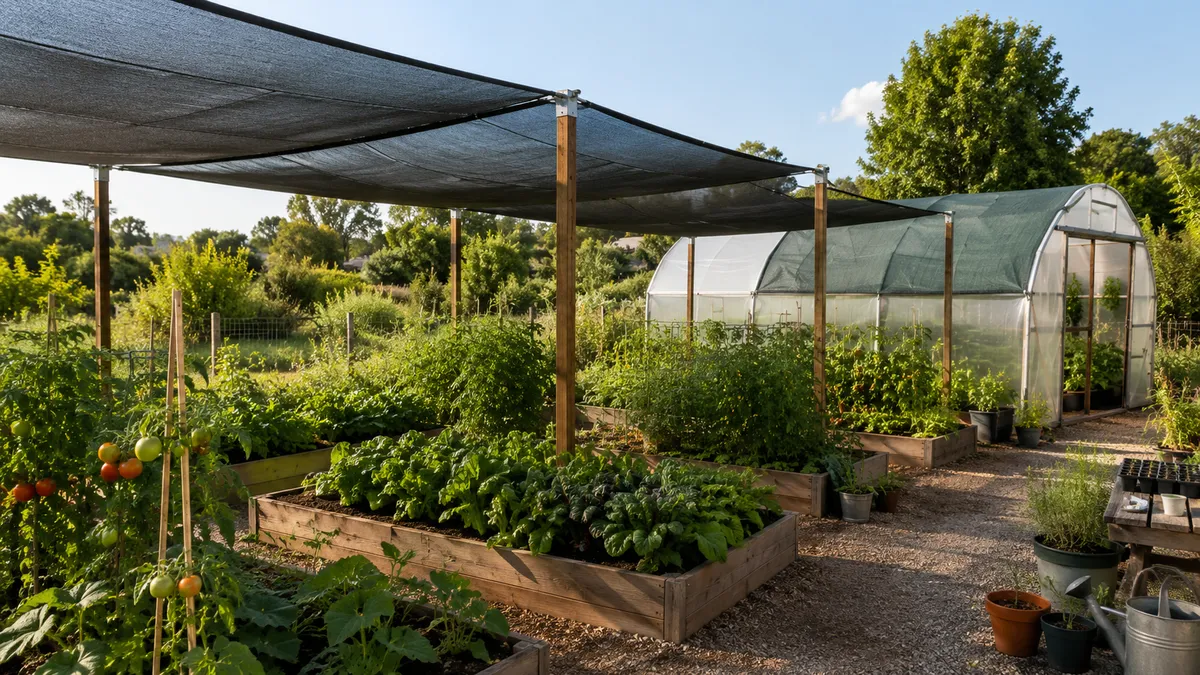
Shade Cloth Guide
Use this when shade cloth is closer to the real constraint than the current page.
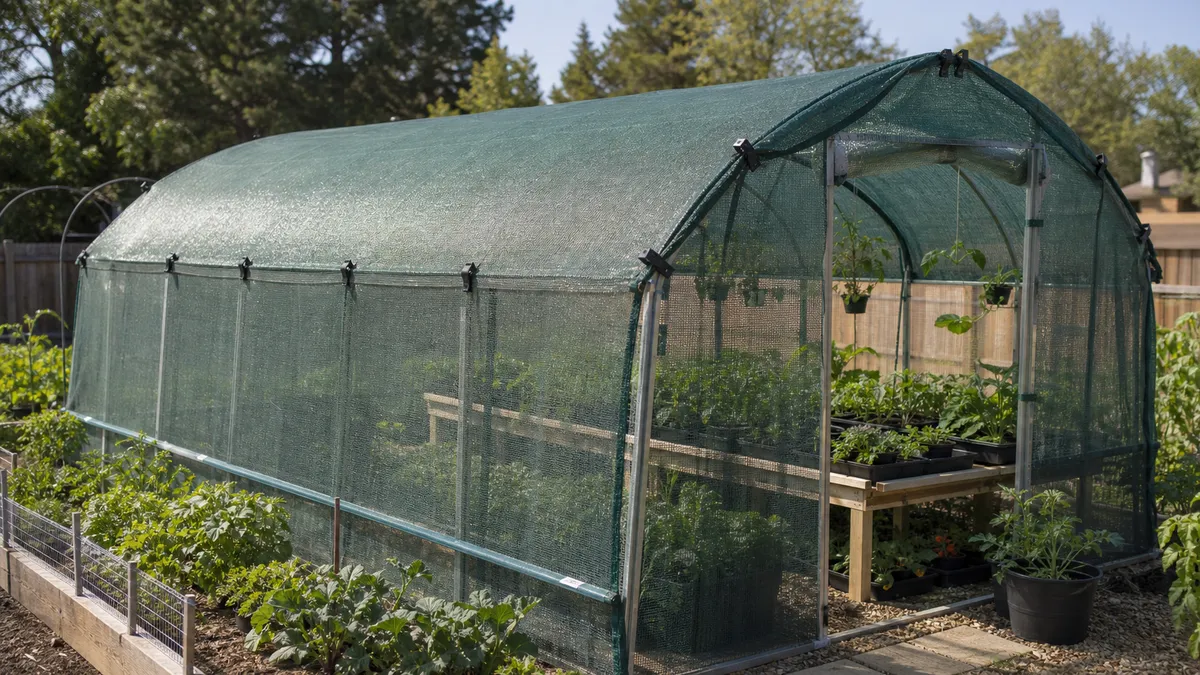
Shade Cloth for Greenhouse
Use this for the broader greenhouse shade-cloth decision: percentage, color, cloth type, placement and fastening beyond the roof plane.
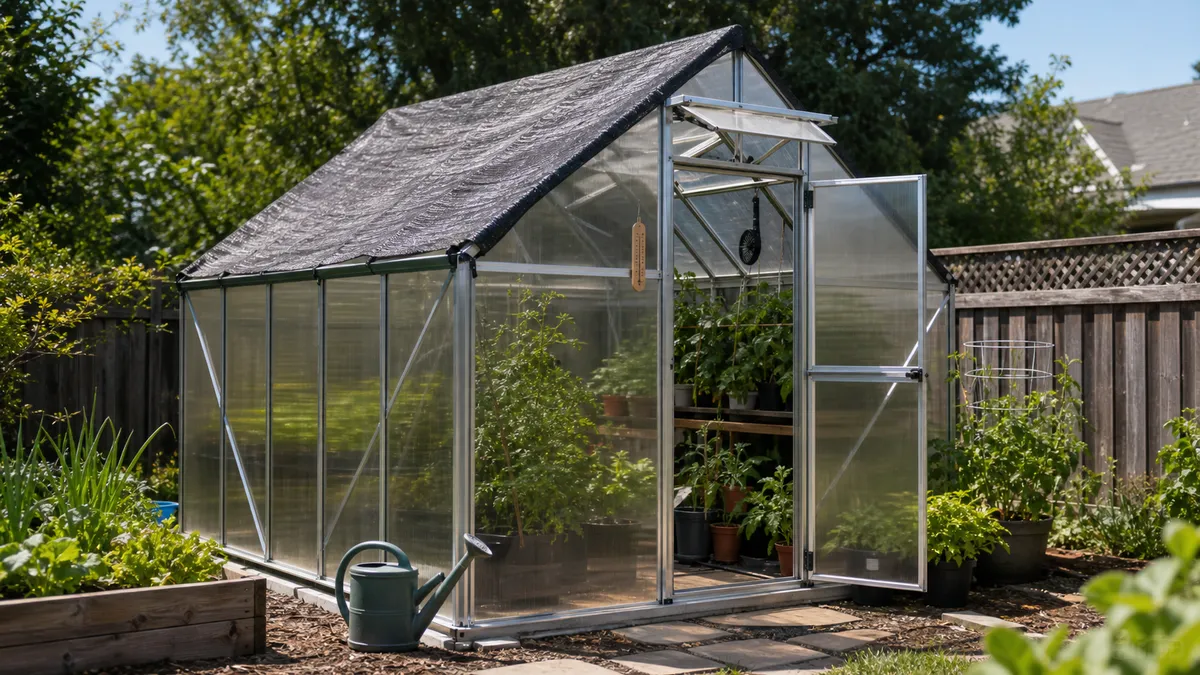
How to Keep a Greenhouse Cool in Summer
Use this when how to keep greenhouse cool is closer to the real constraint than the current page.
Shade Cloth Percentage Guide
Use this when the roof position is settled and the remaining decision is crop light: 30%, 50%, 70% or heavier shade.
Questions
FAQ
Is shade cloth better inside or outside a greenhouse roof?
Outside is usually better for heat because it blocks part of the sun before it passes through the cover. Use inside shade when exterior wind, ladder access, vent clearance, or polycarbonate contact makes outside cloth risky, but keep roof vents above it.
Can shade cloth sit directly on polycarbonate greenhouse panels?
Avoid direct contact, especially where wind can rub fabric on ribs, roof peaks, panel edges, or vent corners. Use a raised support, frame edge, guide wire, ridge strip, dowel, or greenhouse frame hardware that keeps fabric off the panels.
Should greenhouse roof shade cover the whole roof?
Not always. A partial roof panel or roof plus west or south side strip can solve the hottest entry path without starving crops of light. Full roof coverage is riskier for tomatoes, peppers, and cloudy shoulder seasons.
How do I attach removable shade cloth to a greenhouse roof?
Use clips, grommets with lacing cord, guide wires, frame-mounted hardware, or a raised edge that can be inspected and removed. Keep roof vents, fan shutters, doors, roll-up sides, and automatic opener arms free before tying the panel down.
When should greenhouse roof shade come off?
Remove, roll back, or reduce shade when recurring heat passes, storms or snow are forecast, cloudy cool weather returns, plants stretch, flowering slows, or fruit set drops. The best roof panel is one you can adjust when light becomes the limit.