
Quick Answer
Quick answer for hardening off with shade cloth
Use shade cloth for hardening off plants as short-term partial shade while seedlings adjust to outdoor sun, wind and faster tray drying. Plan on 7-14 days for most starts. Begin in bright shade or under about 30% cloth for short sessions, add outdoor time each day if plants stay upright, and pause for strong wind, cold nights, hard wilt or papery leaf scald.
Start with 30% raised shade for the first full-sun exposures, then reduce cover as seedlings tolerate direct sun and crop-safe nights.
Ideas
Practical options to compare
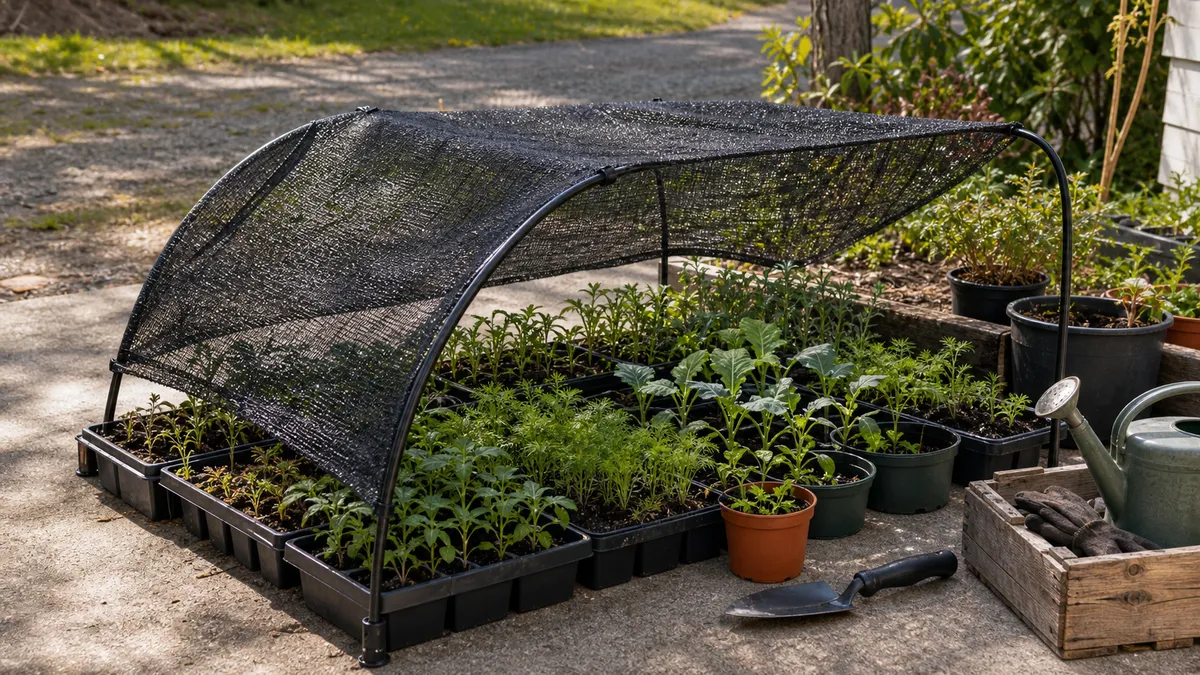
Start under 30% cloth on a tray bench, cart or low hoops.
The cloth softens full sun while each day still adds outdoor time and direct light.
Move back to bright shade and shorten the next session.
Papery white or tan patches point to sudden light injury; hard wilt means the exposure or watering is too aggressive.
Skip the outdoor step or use a sheltered porch or vented cold frame.
Hardening off is gradual exposure, not a stress test during weather that can chill, batter or waterlog trays.
Give afternoon shade for a few days, then uncover.
Short shade can reduce shock while roots start working, but all-day dark cover can slow new growth.
A 7-14 day hardening-off routine with shade cloth
Hardening off is the step between protected growth and garden weather. Seedlings have to adjust to stronger light, wind, cooler nights, rain, and faster drying in cell packs. Shade cloth helps only when it supports that change. It should not become a dark cover that keeps trays in indoor conditions for another week.
Treat the schedule as a response plan, not a calendar rule. SDSU Extension gives 7-14 days as the normal window and starts plants outside for 3-4 hours in a shaded, wind-sheltered place. UMN Extension gives the same basic start: a few warm afternoon hours in shade, trays back inside before nights cool, then more time and sunlight each day.
If plants stay upright, hydrated, and normally colored, add light. If leaves bleach, stems bend, trays dry hard, or nights drop below the crop's tolerance, repeat the earlier stage. The USDA NRCS community garden guide also keeps the first steps away from direct sun and strong breezes, then removes cover after several days.
Schedule
Hardening-off schedule by stage
Shift slower or faster based on crop, weather and seedling response.
| Stage | Outdoor exposure | Shade cloth use | Do not continue if |
|---|---|---|---|
| Days 1-2 | 2-4 hours in bright shade or dappled shade during the warm part of the day. | Use cloth only if the available spot has direct sun. | Leaves wilt hard, wind batters stems, or the day is too cold for the crop. |
| Days 3-5 | Longer sessions with gentle morning or late-day sun. | Keep cloth above trays on hoops, stakes, wire bows or a bench frame. | Cell packs dry out, leaf patches turn white or tan, or stems lodge. |
| Days 6-10 | More direct sun if seedlings remain upright and watered. | Use cloth during the brightest hour only when heat is harsh. | Plants stretch pale under shade or stop making sturdy new growth. |
| Final days | Long days outside and overnight only when nights are crop-safe. | Remove routine cover unless a short heat spike requires it. | Freezing, strong wind, heavy rain or crop-inappropriate cold is forecast. |
| After transplanting | Plant on a cloudy day, early morning or late afternoon when possible. | Use short afternoon shade for a few days, then taper. | The cloth touches leaves, blocks airflow, or hides water stress. |
What shade percentage to start with
Start lighter than the roll that looks most protective. For many vegetable seedlings in strong sun, 30% shade cloth is the practical first number because it reduces light without making the tray area dim. Maryland Extension lists 30% and 50% cloth as common garden choices, and its IPM vegetable notes cite 30% cloth as enough to cool many vegetables without blocking too much light.
Use 30%-50% only when conditions justify stronger relief: tender greenhouse-grown starts, cool-season seedlings set out in summer heat, or a hot paved exposure that is bleaching leaves. UMN high-tunnel guidance is a useful caution even though it is not a tray guide: 50% shade can over-shade some vegetable situations. Keep 50% for short rescue periods or leafy/tender starts, not routine all-day hardening for fruiting crops.
Avoid 60% and darker cloth for normal hardening off. WSU Extension warns that dark shade can lead to spindly or leggy growth in plants that do not prefer shade. If seedlings are stretching, pale, or leaning toward light, reduce the hours under cloth, switch to lighter fabric, or uncover for the next mild morning.
Percentage
Shade percentage for seedlings and transplants
Use the lowest shade level that prevents visible stress during the next exposure step.
| Shade amount | Use during hardening | Best fit | Watch out |
|---|---|---|---|
| 30% | Default starting point for many vegetable seedlings. | Mixed trays, fruiting vegetables, and first full-sun sessions. | Still check water; wind and sun can dry cells quickly. |
| 30%-50% | Short stronger protection while plants adapt. | Tender starts, cool-season seedlings in heat, or greenhouse-grown plants. | Reduce cover once plants stop wilting and weather softens. |
| 50% | Short rescue shade or leafy/tender protection. | Bleaching leaves, harsh afternoon sun, or newly planted starts. | Can be too dark if left over fruiting crops too long. |
| 60%+ | Avoid for normal hardening off. | Only a narrow rescue case with a clear reason. | Low light can stretch plants and delay sturdy growth. |
Set the cloth above trays, not on the plants
Do not drape cloth directly over seedlings. It can press leaves, rub stems in wind, transfer heat, and trap still damp air. Put the fabric on wire bows, low hoops, stakes, a bench frame, a rolling cart canopy, or a vented cold-frame lid. You want shaded air above foliage, not fabric lying on cotyledons and true leaves.
WSU Extension recommends raising shade fabric above the canopy and leaving ventilation open where practical. For tray hardening, leave enough clearance for leaves to move without touching the fabric. Clip the cloth so it cannot sag by midafternoon, but keep one side open or easy to lift so heat and humidity escape.
Shade cloth is not waterproof fabric and it is not a frost blanket. If rain is heavy, wind is strong, or a cold night is coming, moving trays inside is cleaner than trying to make a sealed tent. A cold frame can help, but UMN Extension warns that it must be vented as plants adapt rather than kept closed in protected air.
- Good supports: wire bows, low hoops, stakes, bench frames, cart canopies and vented cold-frame lids.
- Bad setup: fabric touching leaves, sealed sides, loose edges that flap, or a cover that hides dry trays.
- Simple test: lift the cloth and feel the tray cells every session; do not rely on leaf shade alone.
Category research
Hardening-off shade categories to compare
Search categories after seedling stage, daily exposure time and removal schedule are clear.
Seedling shade
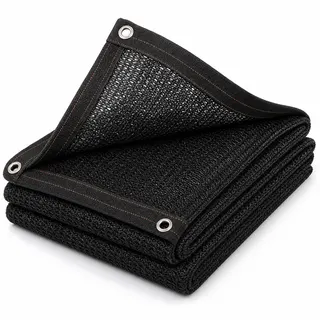
Shade Cloth For Seedlings
For temporary filtered light during hardening off.
- Gentle transition
- Short-term use
Check:Days outside and plant response.
Search on Amazon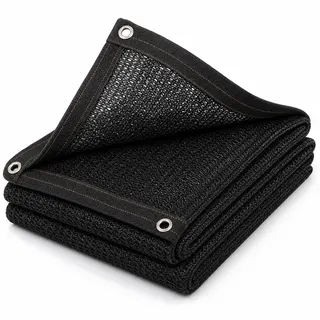
Plant cloth
Plant Shade Cloth
For reusable protection during heat or transplant stress.
- Reusable fabric
- Flexible setup
Check:Percentage and airflow.
Search on Amazon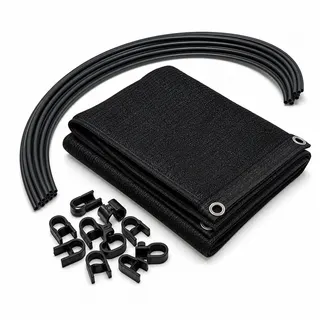
Hoops
Garden Row Cover Hoops
For keeping cloth above young plants.
- Simple support
- Avoids leaf contact
Check:Hoop height and wind.
Search on AmazonWater, wind and temperature checks
Hardening off should slow soft growth, but it should not wilt seedlings. UMD and SDSU both advise reducing watering frequency while avoiding wilt. Outdoors, small cell packs can dry faster than expected because wind moves across the tray and sun warms the media. Check tray weight and cell moisture before and after each session.
Warm-season seedlings need the conservative schedule. Tomatoes, peppers, eggplant, squash, cucumbers and melons should not be pushed into cold nights just because daytime shade went well. UMD and SDSU use about 45 F as a broad caution point, USU warns warm-season crops about chilling below roughly 45-50 F, and WVU is more conservative for tomatoes and peppers around 55 F. Use crop labels, local forecasts and the warmer number when in doubt.
Cool-season starts such as broccoli, cabbage, cauliflower, kale and lettuce can begin outdoor adjustment earlier, but they still need gradual sun and wind exposure. Freezing, strong wind, heavy rain and waterlogged trays can undo several careful days. When the forecast is rough, skip the day instead of forcing progress.
- Water check: trays should be evenly moist before exposure, not saturated and not light enough to wilt.
- Wind check: leaves should flutter, not whip, fold or scrape against cloth.
- Night check: leave trays out only when the crop can handle the overnight low.
When to pause, step back or remove shade
Read the plant before reading the calendar. Papery white or tan patches usually mean sunscald from sudden intense light. Maryland Extension notes that damaged tissue does not recover; protect new growth, shorten the next exposure, and avoid repeating the same midday jump.
Hard wilt before the session ends means the exposure, wind, heat or watering needs to step back. Move trays to bright shade, water correctly, and try a shorter session the next mild day. Long pale stems, leaves leaning hard toward light, or stalled sturdy growth point the other way: the cover is too dark or left in place too long.
Remove or reduce cloth when seedlings handle direct sun without wilting, weather cools, the heat spike ends, or new growth stretches under cover. After transplanting, keep afternoon shade brief and visible. If the plant needs longer woody establishment shade rather than tray hardening, use the young-tree guide; if the whole bed needs summer cover after the transition, use the vegetable-garden shade guide.
- White or tan papery leaves: reduce light exposure and protect new growth.
- Limp plants that do not rebound: shorten sessions and recheck water.
- Stretched or pale growth: use less shade time or a lighter cloth.
- Leaf rubbing or flattened stems: raise the frame and secure sagging fabric.
- Cold night or strong wind forecast: bring trays inside or delay the next step.
Watch-outs
Before you buy or install
- Shade cloth reduces sun exposure; it does not replace frost protection or a crop-safe overnight forecast.
- A sealed cloth tent can trap heat and humidity around tender leaves.
- Darker shade left on too long can stretch seedlings and slow sturdy growth.
Read Next
Related ideas
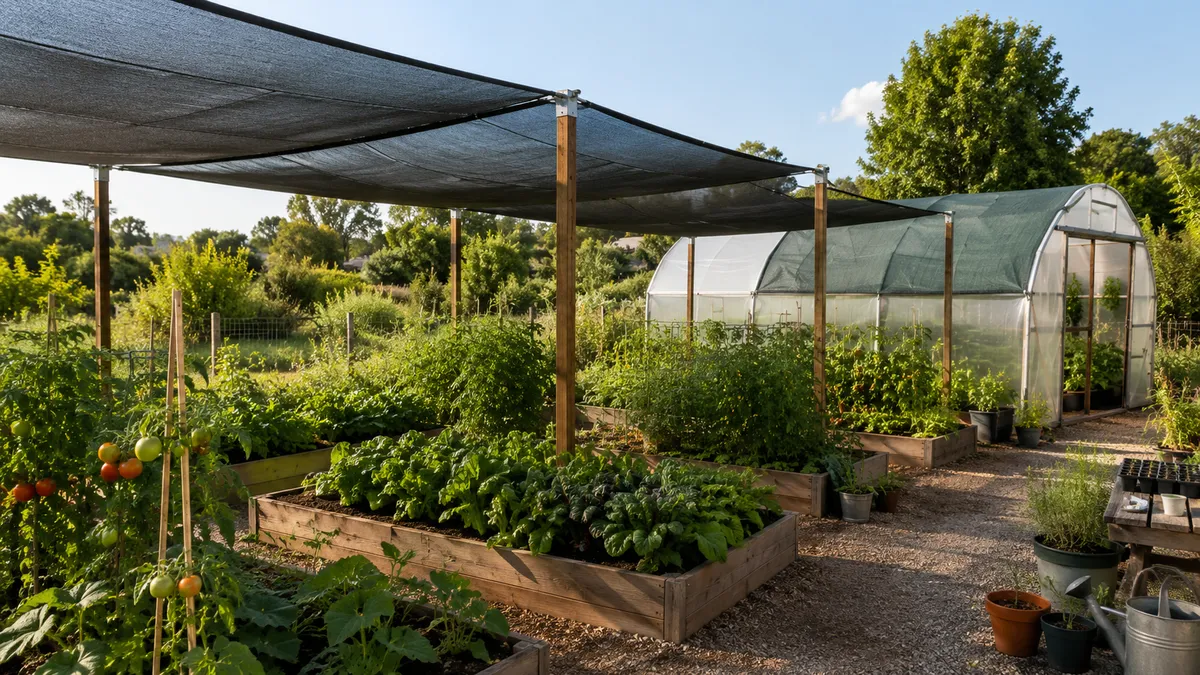
Shade Cloth Guide
Use this when shade cloth is closer to the real constraint than the current page.
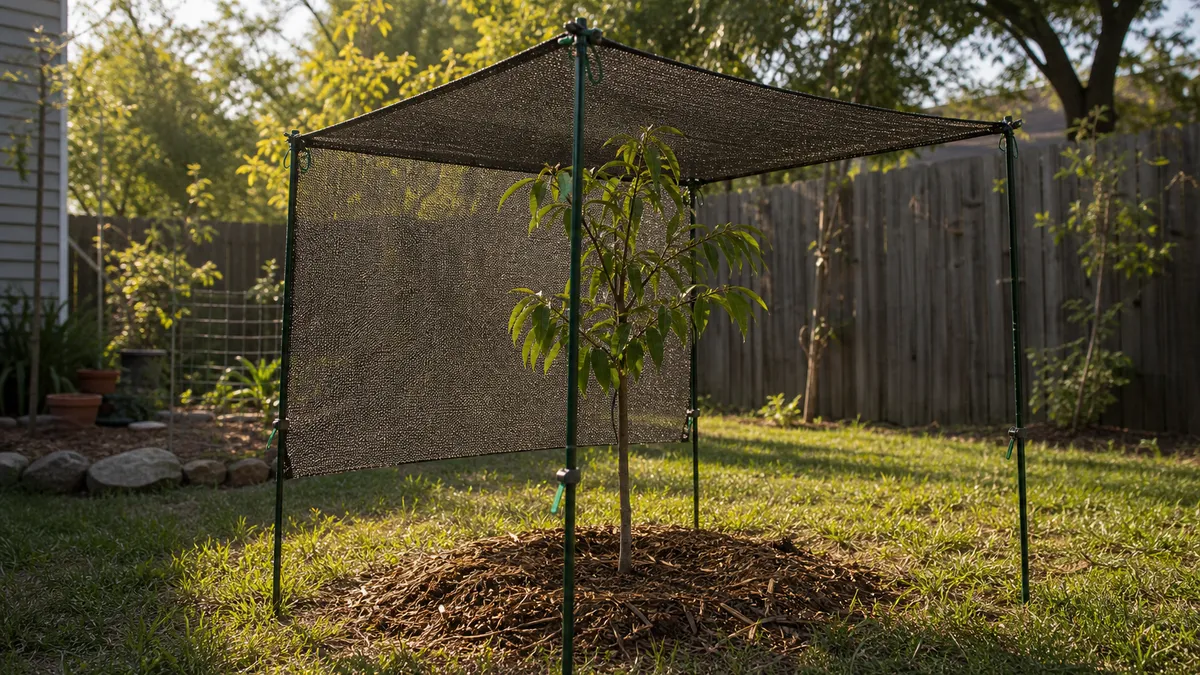
Shade Cloth for Young Trees
Use this when the plant needs an after-planting shade frame beyond the seedling tray stage.
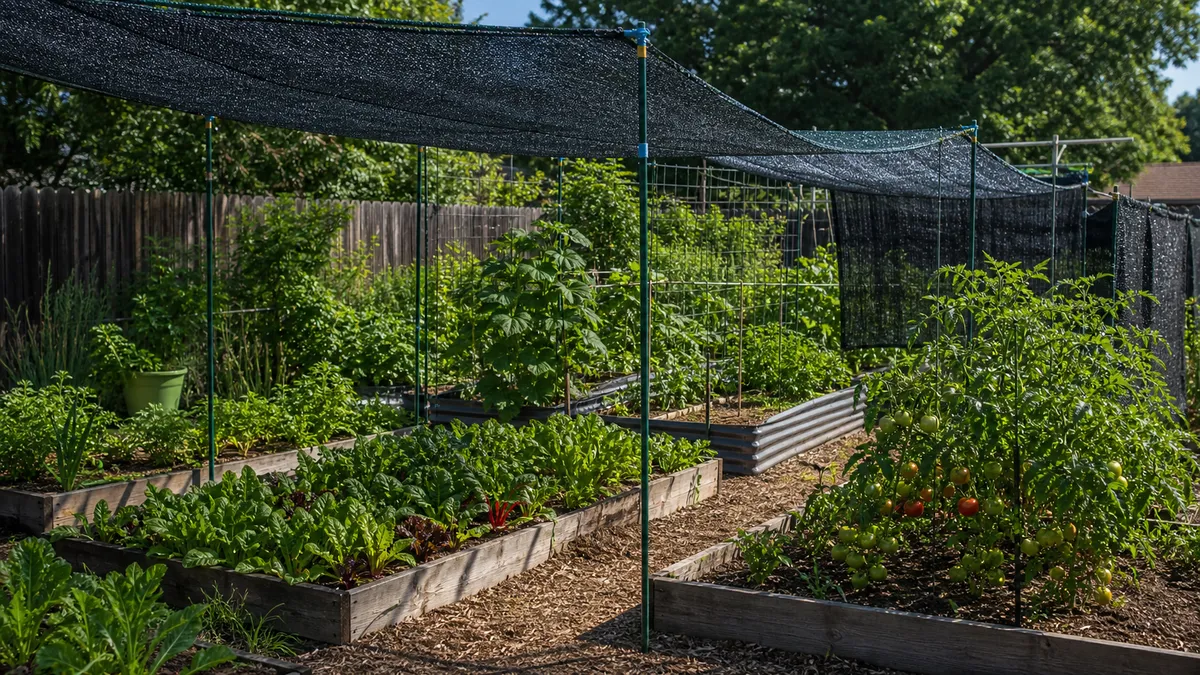
Shade Cloth for Vegetable Garden
Use this after hardening off if the whole bed needs ongoing summer shade by crop.
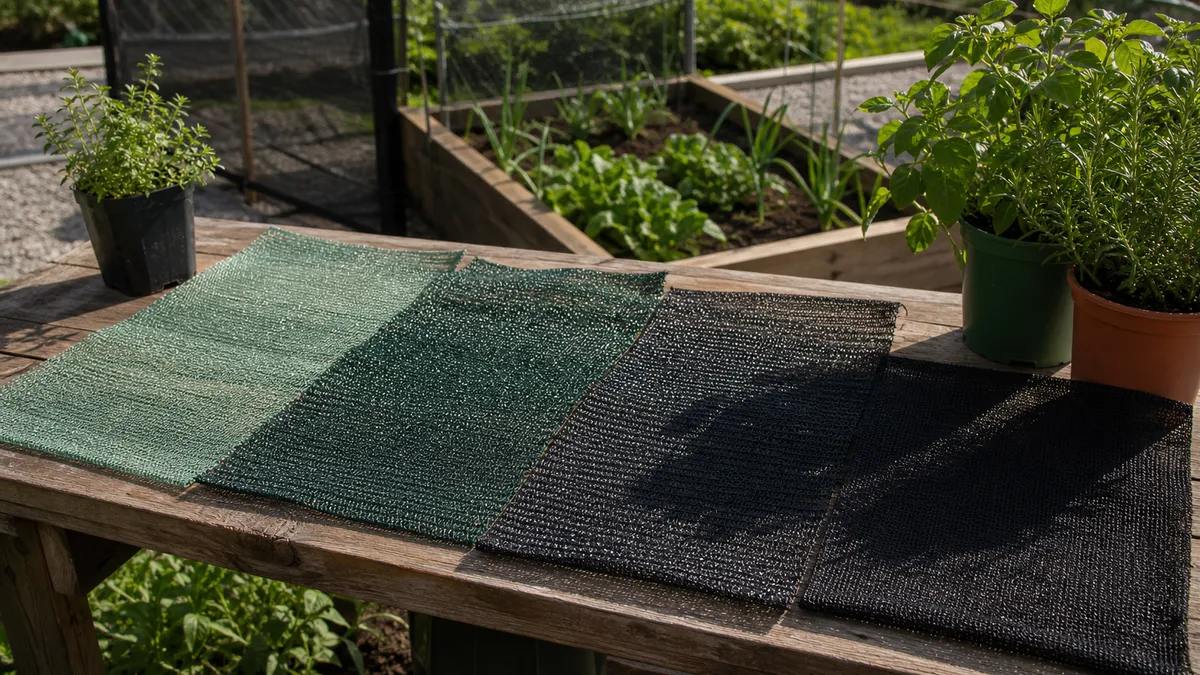
Shade Cloth Percentage Guide
Use this when comparing 30%, 50%, 70% and 90% cloth beyond seedling transition use.
Questions
FAQ
Can I harden off seedlings with shade cloth if I do not have natural shade?
Yes. Use raised light cloth, usually around 30%, for the first outdoor sessions and keep sessions short. The cloth should soften full sun while the plant still gets more outdoor time each day. If leaves bleach or trays dry hard, return to bright shade and slow the next step.
Is 50% shade cloth too dark for hardening off vegetables?
It can be too dark if it stays on all day or remains after plants adapt. Use 50% only for tender starts, harsh afternoon heat or short recovery after transplanting. For many mixed vegetable seedlings, start near 30% and watch for pale, stretched growth.
How long should shade cloth stay on after transplanting?
Use it for the stressful afternoons, not as a new permanent roof. A few days can help during hot, bright weather while roots start working. Remove or roll it back when plants stay upright, new growth looks sturdy and the heat or wind event has passed.
Can seedlings stay outside overnight under shade cloth?
Only when the crop can handle the overnight low and the forecast is calm. Shade cloth is not frost cover. Warm-season seedlings such as tomatoes, peppers, cucumbers and melons need warmer nights than brassicas or lettuce, so bring them in when the low is uncertain.
Should the shade cloth touch seedling leaves?
No. Keep it above the foliage on hoops, stakes, wire bows, a bench frame or a cart cover. Fabric touching leaves can rub in wind, flatten stems and trap damp air. If cloth sags by afternoon, raise the frame before the next session.